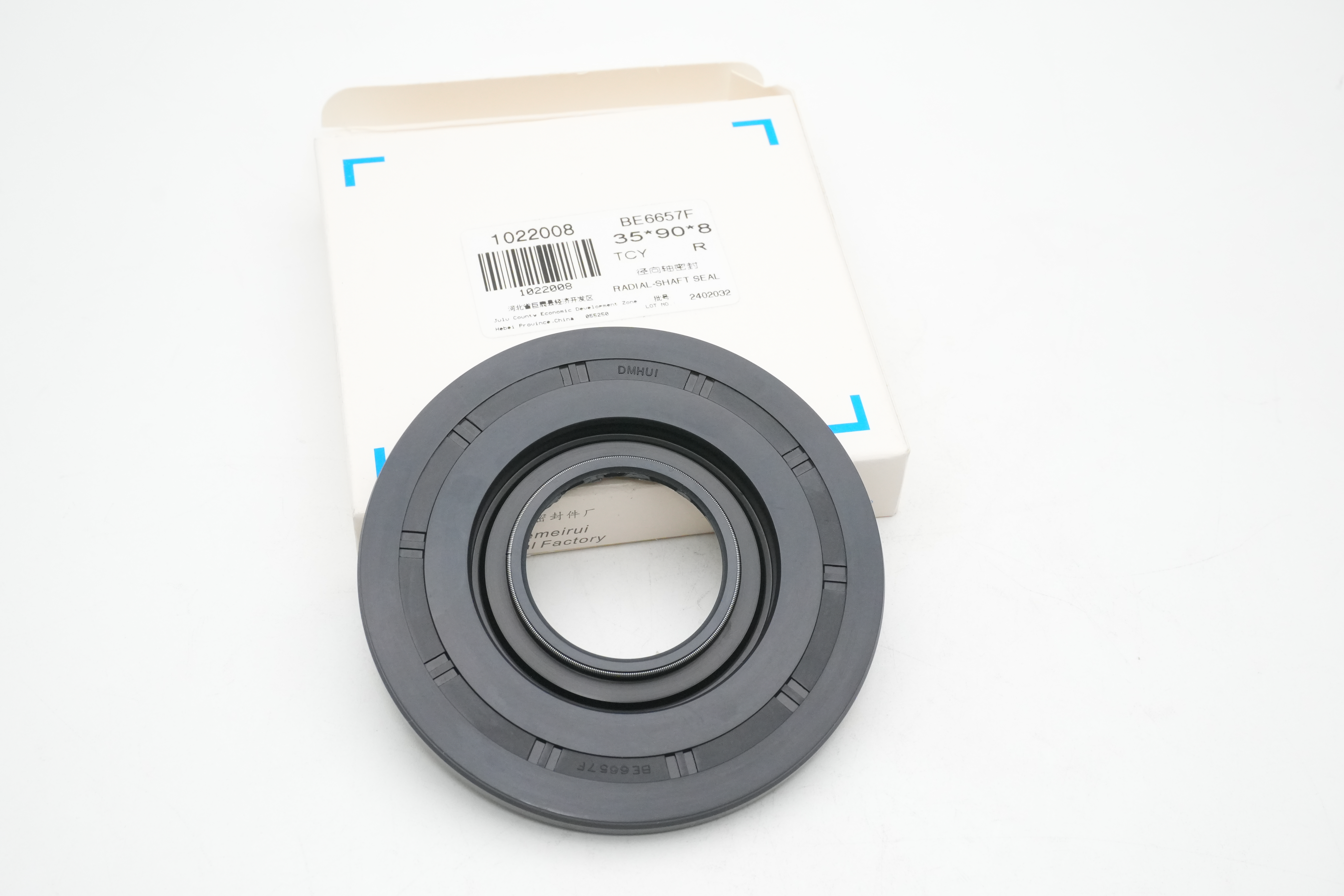
Break-In Procedures for New High-Temperature Oil Seals
High-temperature oil seals are essential components in hydraulic systems that operate under extreme conditions. However, to ensure their longevity and optimal performance, it is crucial to properly break in new seals. This article outlines the steps for breaking in new high-temperature oil seals to prevent premature wear and failure.
Why Break-In Procedures Are Important
Break-in procedures help the seal material adapt to the operational environment, ensuring a better seal fit and reducing the risk of premature wear. Proper break-in procedures allow the oil seal to form a proper contact surface, improving its ability to withstand high temperatures and pressures.
Steps for Breaking In New High-Temperature Oil Seals
To properly break in new high-temperature oil seals, follow these steps:
Ensure Proper Alignment: Before installing the seal, ensure it is properly aligned with the housing and shaft to avoid excessive friction and wear during operation.
Gradual Ramp-Up of System Pressure: Initially, operate the system at lower pressures and temperatures to allow the seal to adapt to the operating conditions gradually.
Monitor Operating Temperatures: Carefully monitor the operating temperatures during the break-in period to ensure they do not exceed the recommended limits for the seal material.
Use Compatible Lubricants: Ensure that the hydraulic fluid used is compatible with the high-temperature seal material to reduce friction and wear during the break-in period.
Inspect the Seal Regularly: Regularly inspect the seal for signs of wear, deformation, or leakage during the break-in period to address any issues before they lead to seal failure.
Conclusion
Proper break-in procedures are essential for ensuring the longevity and performance of new high-temperature oil seals. By gradually ramping up system pressure, monitoring operating temperatures, and using compatible lubricants, you can help prevent premature wear and maximize seal life. Always follow manufacturer recommendations for break-in procedures to ensure optimal performance.
SEO Keywords
break-in procedures, high-temperature oil seals, seal performance, hydraulic seals, seal maintenance, seal wear, hydraulic fluid, seal inspection, lubrication, high-temperature seals, system performance, seal longevity, seal degradation, machinery maintenance, seal wear prevention, hydraulic systems, pressure monitoring, temperature control, seal replacement, hydraulic components, seal failure prevention.
.png)