Lip Seal Spring Design & Its Effect on Performance
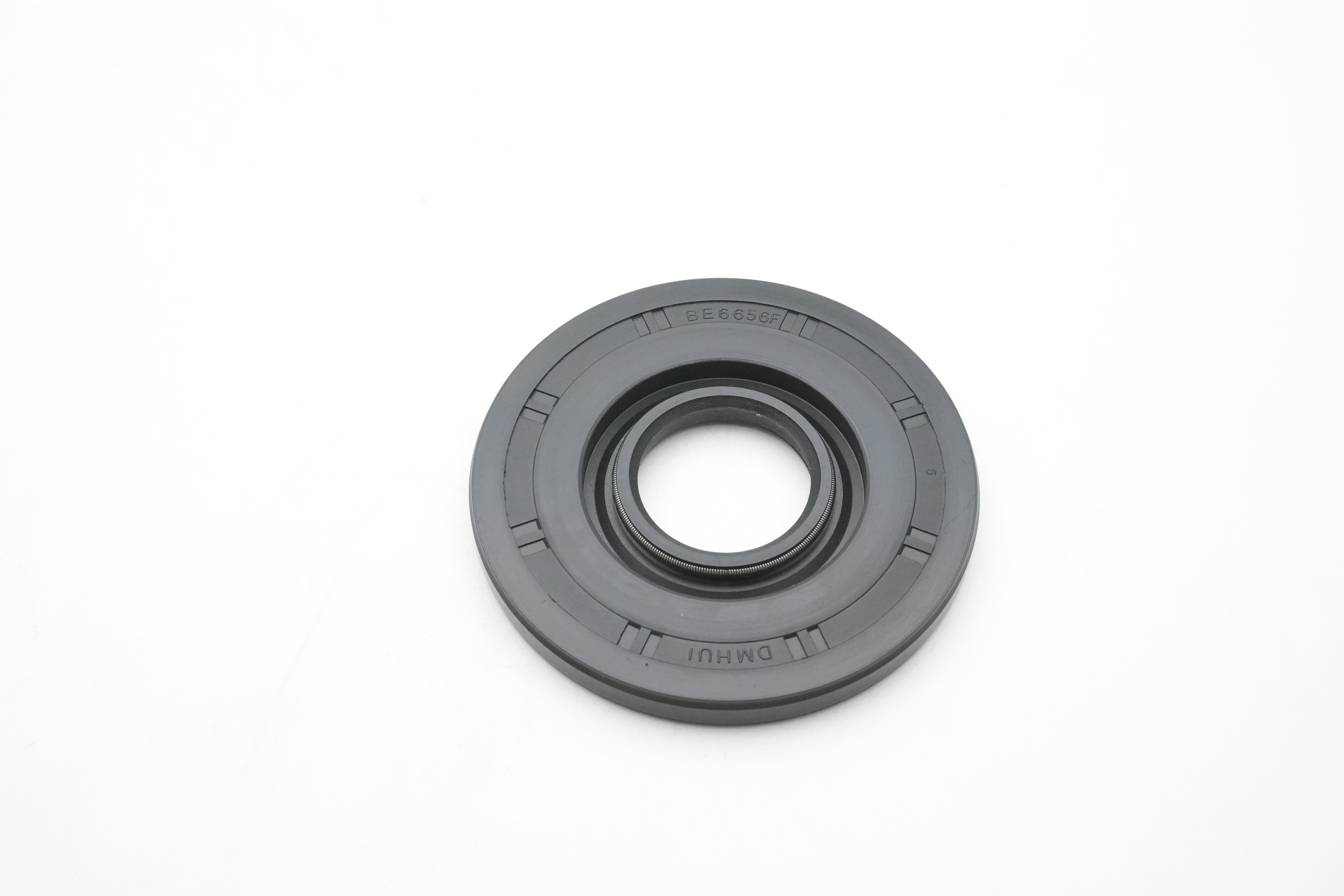
The design of the spring in lip seals is an essential factor influencing the seal’s performance. A well-designed spring can significantly enhance sealing efficiency, reduce wear, and extend the lifespan of the seal. In this article, we explore the role of spring design in lip seals and how the spring affects sealing performance.
Function of the Lip Seal Spring
The primary function of the spring in a lip seal is to maintain continuous contact between the sealing lip and the shaft. This ensures that the seal remains in place, even under dynamic conditions, preventing fluid leakage and contamination. The spring helps compensate for wear and maintains consistent sealing pressure over time.
Spring Load and Its Impact on Sealing Performance
The spring load in a lip seal plays a critical role in maintaining sealing efficiency. If the spring load is too high, it may cause excessive friction, leading to wear and heat buildup. On the other hand, a low spring load may result in insufficient contact with the shaft, leading to leakage. Therefore, selecting the right spring load is essential for optimizing the performance and durability of the seal.
Material Selection for Lip Seal Springs
The material used for the spring in a lip seal must be carefully selected to withstand the operational conditions. Stainless steel and alloy springs are commonly used due to their high strength, resistance to corrosion, and ability to maintain spring force over time. The material must also be compatible with the fluid being sealed and the temperature conditions.
Spring Geometry and Design Optimization
The geometry of the lip seal spring is another important factor in optimizing sealing performance. The spring must be designed to provide the correct amount of pressure without compromising the seal’s flexibility. Additionally, the design of the spring must account for the shaft’s surface finish and any potential misalignment.
Conclusion
Lip seal spring design is a critical aspect of ensuring optimal sealing performance. By selecting the right spring material, load, and geometry, engineers can improve the seal's efficiency, durability, and overall performance in demanding applications.
SEO Keywords: lip seal spring design, lip seal performance, spring effect, sealing technology, mechanical seals, seal efficiency, spring load, sealing solutions, seal design, spring geometry, material selection, sealing durability, high-performance seals, system reliability, shaft sealing, sealing efficiency optimization
.png)