Preventing Oil Seal Failure in Hydraulic Pumps in Hot Environments
Hydraulic pumps are crucial components in many industrial systems, and their efficiency is closely tied to the performance of their oil seals. In hot environments, oil seals face increased pressure and higher temperatures, which can lead to failure if not properly managed. This article discusses how to prevent oil seal failure in hydraulic pumps operating in high-temperature environments by selecting the right materials and implementing proactive maintenance strategies.
One of the key factors that contribute to oil seal failure in hot environments is the degradation of the seal material. Traditional seal materials such as rubber and elastomers are not designed to withstand prolonged exposure to high temperatures. When these materials are exposed to heat, they begin to lose their elasticity, harden, and crack. This leads to a loss of sealing capability, causing fluid leakage and a decrease in hydraulic system efficiency.
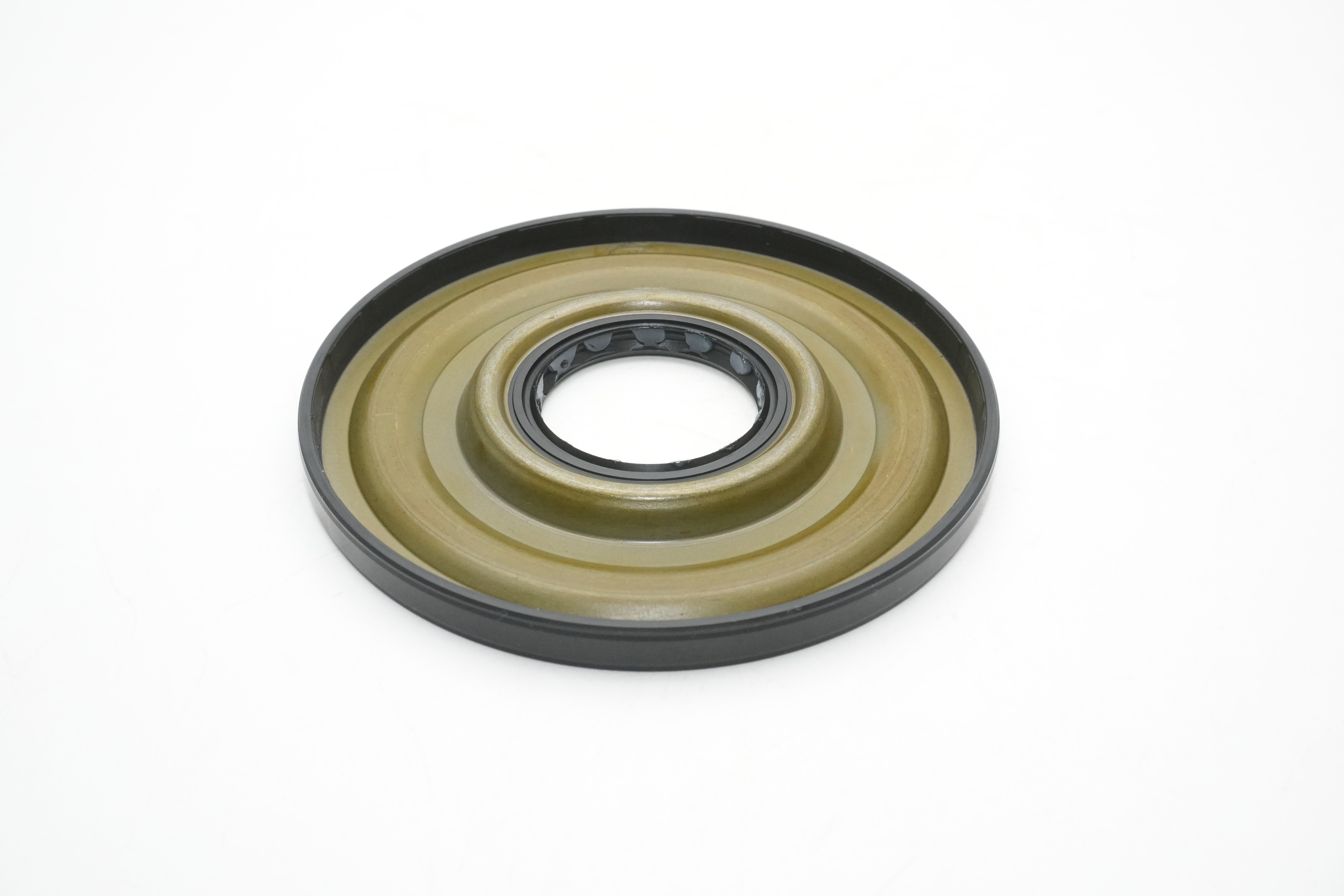
To prevent oil seal failure in high-temperature applications, it is essential to use seals made from heat-resistant materials. Materials such as fluorocarbon (FKM), silicone rubber, and polyacrylate are known for their superior resistance to high temperatures. Fluorocarbon seals, for example, can withstand temperatures up to 250°C (482°F), making them ideal for extreme conditions. Silicone rubber seals, while not as heat-resistant as fluorocarbon, offer flexibility and durability in temperatures up to 200°C (392°F).
In addition to selecting the right materials, temperature monitoring is a crucial step in preventing oil seal failure. Monitoring the operating temperature of the hydraulic system can help detect excessive heat before it leads to seal degradation. If the temperature exceeds the recommended range, cooling systems such as heat exchangers, radiators, or fans can be implemented to manage the heat buildup and protect the seals from damage.
Regular maintenance is another important aspect of preventing oil seal failure. Routine inspections of the seals can help identify signs of wear, cracking, or hardening, which are indicators of heat damage. Timely seal replacements can prevent catastrophic failures and minimize system downtime. Furthermore, using high-quality hydraulic fluids and ensuring the system is free of contaminants can reduce the strain on the oil seals and improve their lifespan.
In conclusion, preventing oil seal failure in hydraulic pumps operating in hot environments requires careful material selection, temperature control, and regular maintenance. By choosing heat-resistant materials, monitoring temperatures, and replacing seals at the first sign of wear, industries can ensure the reliability and longevity of their hydraulic systems while minimizing the risk of costly repairs and downtime.
.png)