In industrial gearboxes, seals are often viewed as inexpensive parts—until a low‑quality seal triggers a cascade of failures. When a seal is poorly manufactured or made from an unsuitable compound, the gearbox pays the price in leakage, contamination, heat, and shortened component life. The true cost is rarely the seal itself; it is the downtime, cleanup, and secondary damage that follows.
One of the most common issues with poor-quality seals is inconsistent dimensions. If the ID is tight or the OD fit is uneven, the seal can distort in the housing. Distortion changes lip load and contact geometry, leading to uneven wear and early seepage. In severe cases, an out‑of‑round seal creates a “pumping” effect where leakage increases as speed rises.
Material instability is another risk. Low-grade elastomers may harden quickly in heat, swell excessively in synthetic oils, or crack under thermal cycling. When the lip loses elasticity, it cannot maintain the fine sealing edge needed to control the oil film. Leakage begins slowly and then accelerates, often after the seal has passed any initial inspection and the gearbox is back in service.
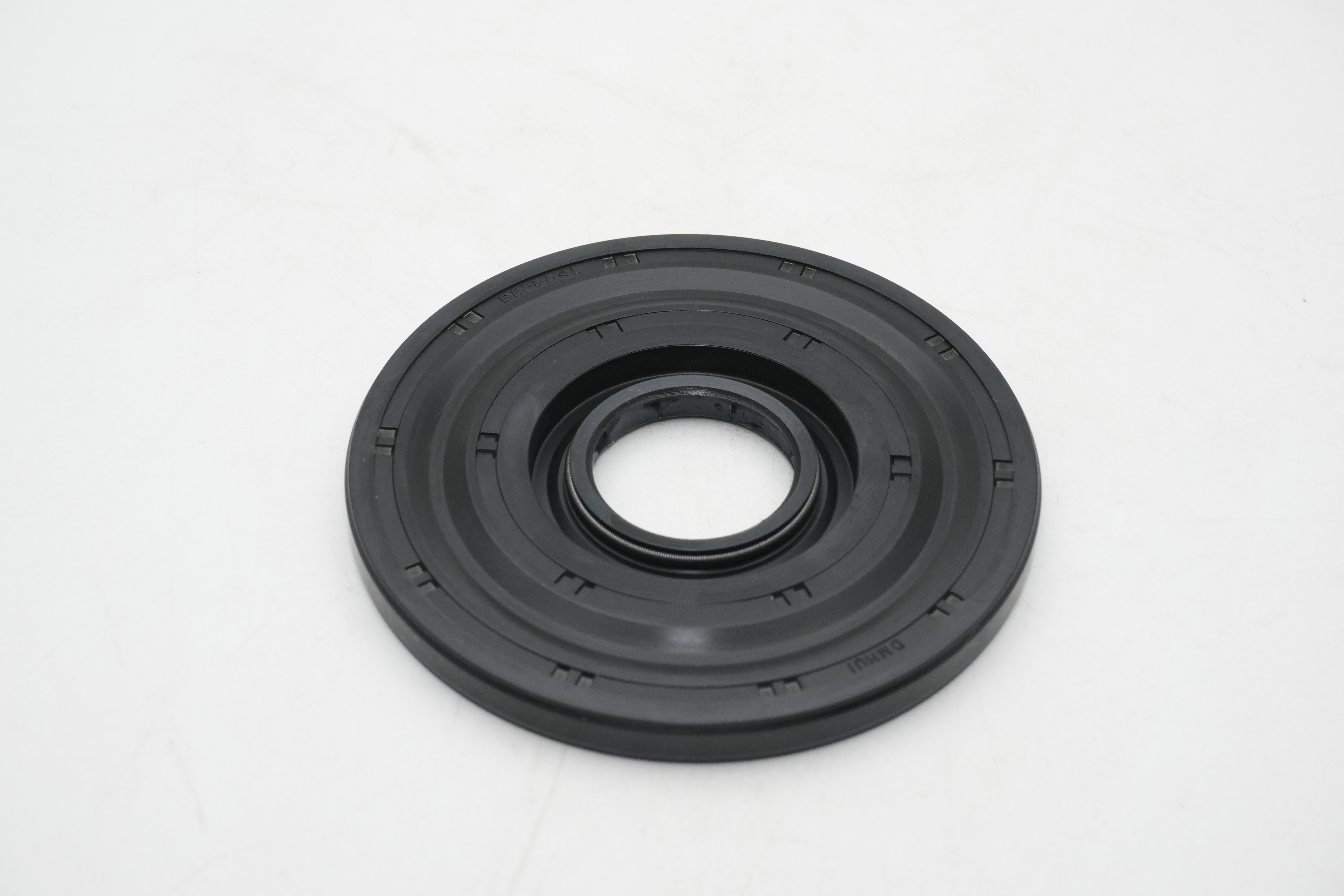
Spring quality and retention matter more than many people realize. A weak or inconsistent garter spring reduces lip load, especially as the elastomer ages. If the spring corrodes or dislodges during installation, the seal may leak almost immediately. Higher-quality seals typically have better spring metallurgy, more consistent spring force, and better retention features that prevent dislocation.
Lip finish and geometry also separate good seals from bad ones. Rough lip edges, molding defects, and poor trimming can cause excessive friction and heat. Heat accelerates oil oxidation and can create a hardened seal track on the shaft. Once a groove forms on the shaft, even a good replacement seal may leak unless the shaft is repaired with a sleeve or reconditioning.
Poor-quality seals frequently fail at exclusion, not only retention. Dust and moisture ingress may not be obvious at first, but contaminated oil becomes abrasive and attacks bearings and gear tooth surfaces. As surfaces roughen, vibration and noise increase, temperatures rise, and efficiency drops. The gearbox may still “run,” but it is running toward a rebuild.
Repeated failures often trace back to buying decisions rather than installation skill. If a plant standardizes on the cheapest seal, maintenance teams can spend far more time on repeat replacements than they ever saved on purchase price. The better approach is to specify seals by application conditions—oil type, temperature, speed, contamination—and to demand consistent quality and traceability from suppliers.
If you suspect seal quality problems, look for warning signs: leakage soon after installation, widely varying service life between identical gearboxes, unusually high seal drag, or visible defects out of the box. Pair seal upgrades with shaft inspection, proper venting, and correct installation tools to break the cycle. In most cases, improving seal quality is one of the fastest routes to cleaner gearboxes and fewer unplanned outages.
SEO Keywords
poor quality oil seal problems, radial shaft seal failure causes, inconsistent seal dimensions, low grade elastomer swelling, seal hardening cracking, garter spring failure, seal lip molding defects, excessive seal friction heat, early gearbox oil leakage, contamination ingress through seals, shaft groove from seal wear, wear sleeve for damaged shaft, repeat seal replacement, cheap seal false economy, gearbox bearing damage from leaks, gear oil oxidation heat, supplier traceability seals, quality control shaft seals, industrial gearbox reliability, avoid counterfeit oil seals
SEO Description
Poor-quality radial shaft seals can turn a minor leak into major gearbox damage. This article explains how inconsistent dimensions, unstable elastomers, weak springs, and rough lip geometry lead to early leakage, high friction heat, contamination ingress, and accelerated wear of bearings and gears. Learn the most common failure patterns, the warning signs of quality issues, and practical purchasing and maintenance actions—material specification, supplier documentation, shaft inspection and wear sleeves, and breather/installation discipline—that prevent repeat failures and protect industrial reducers.
.png)