The Impact of Shaft Surface Finish on High-Temp Seal Performance
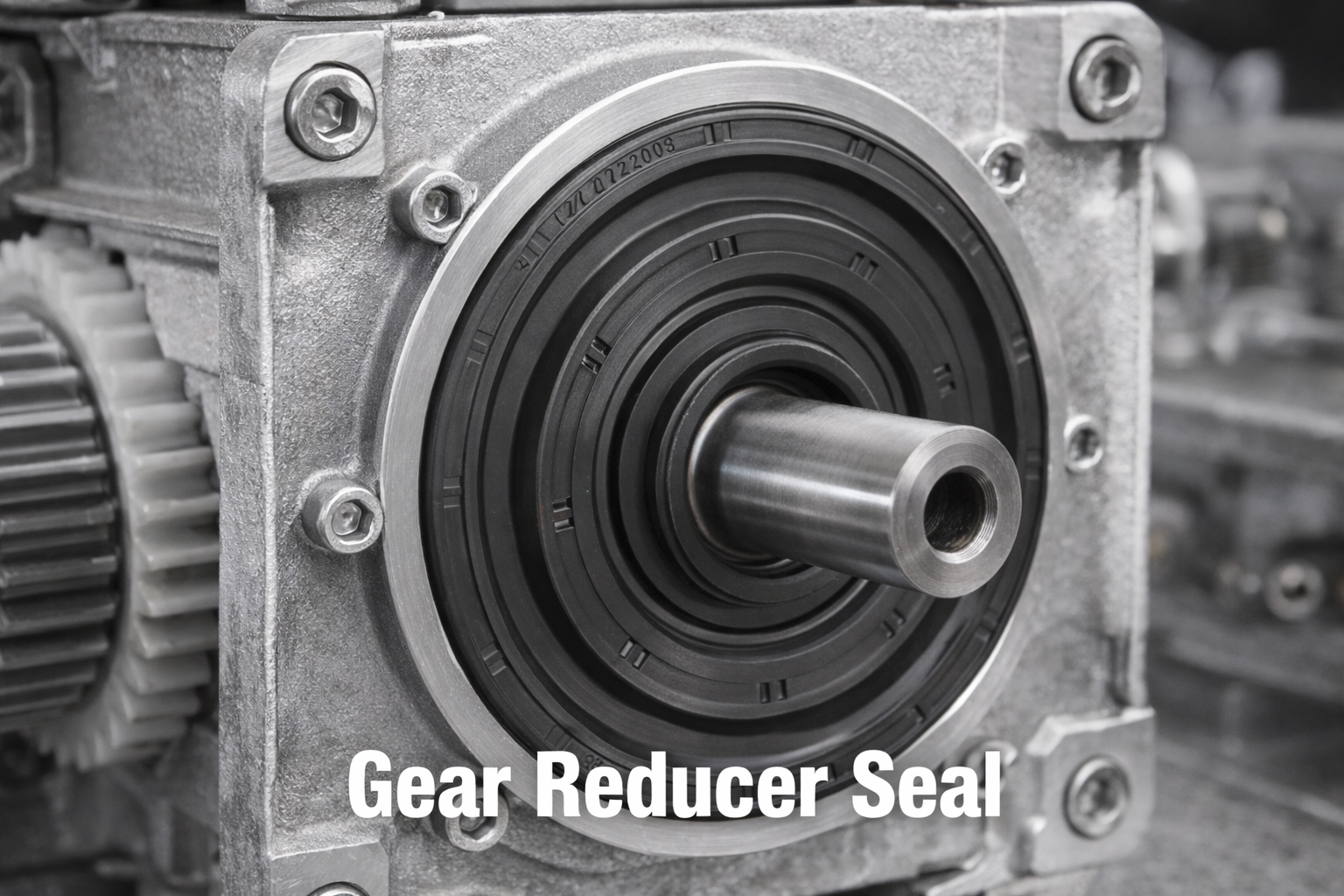
The surface finish of a shaft plays a significant role in determining the performance and longevity of high-temperature seals. An improper shaft surface finish can cause excessive wear, leakage, and seal failure. This article explores the relationship between shaft surface finish and high-temperature seal performance, highlighting the importance of optimizing surface finish for optimal seal function in hydraulic systems.
Why Shaft Surface Finish Matters
Shaft surface finish refers to the texture of the shaft's surface, including its roughness, smoothness, and the presence of any imperfections. A smooth surface finish helps create a proper seal contact area, reducing friction and wear between the seal lip and the shaft. Conversely, a rough or uneven surface can cause excessive wear on the seal, leading to leakage and a shortened service life.
The Effect of Shaft Surface Finish on Seal Performance
The following are the ways in which shaft surface finish affects high-temperature seal performance:
Seal Wear: A rough shaft surface can cause the seal lip to wear more quickly, leading to premature seal failure.
Increased Friction: An uneven surface creates friction, generating additional heat that can degrade the seal material over time.
Improper Seal Contact: An imperfect shaft surface finish can lead to improper seal lip contact, reducing the seal's ability to create a tight barrier and leading to leakage.
How to Optimize Shaft Surface Finish for Seal Performance
To ensure high-temperature seals perform effectively and last longer, it is essential to optimize the shaft surface finish. Here are some tips:
Use Precision Grinding: Use precision grinding techniques to achieve a smooth and even surface that minimizes imperfections and ensures proper seal contact.
Polish the Shaft: Polishing the shaft surface can further reduce roughness and improve the overall smoothness, enhancing seal performance.
Check Surface Roughness: Measure the shaft’s surface roughness and ensure it meets the recommended specifications for the seal material.
Regular Maintenance: Regularly inspect and maintain the shaft surface to ensure it remains smooth and free from any damage that could affect seal performance.
Conclusion
Optimizing shaft surface finish is essential for ensuring the performance and longevity of high-temperature seals. By maintaining a smooth, even surface, you can reduce friction, minimize wear, and prevent seal failure, ultimately improving the efficiency and lifespan of hydraulic systems.
SEO Keywords
shaft surface finish, high-temp seal performance, seal wear, hydraulic seals, seal damage, surface roughness, seal friction, shaft polishing, precision grinding, seal lifespan, hydraulic system maintenance, seal inspection, seal performance, machinery maintenance, seal failure prevention, high-temperature seals, shaft maintenance, friction reduction, system efficiency, seal longevity, hydraulic fluid.
.png)