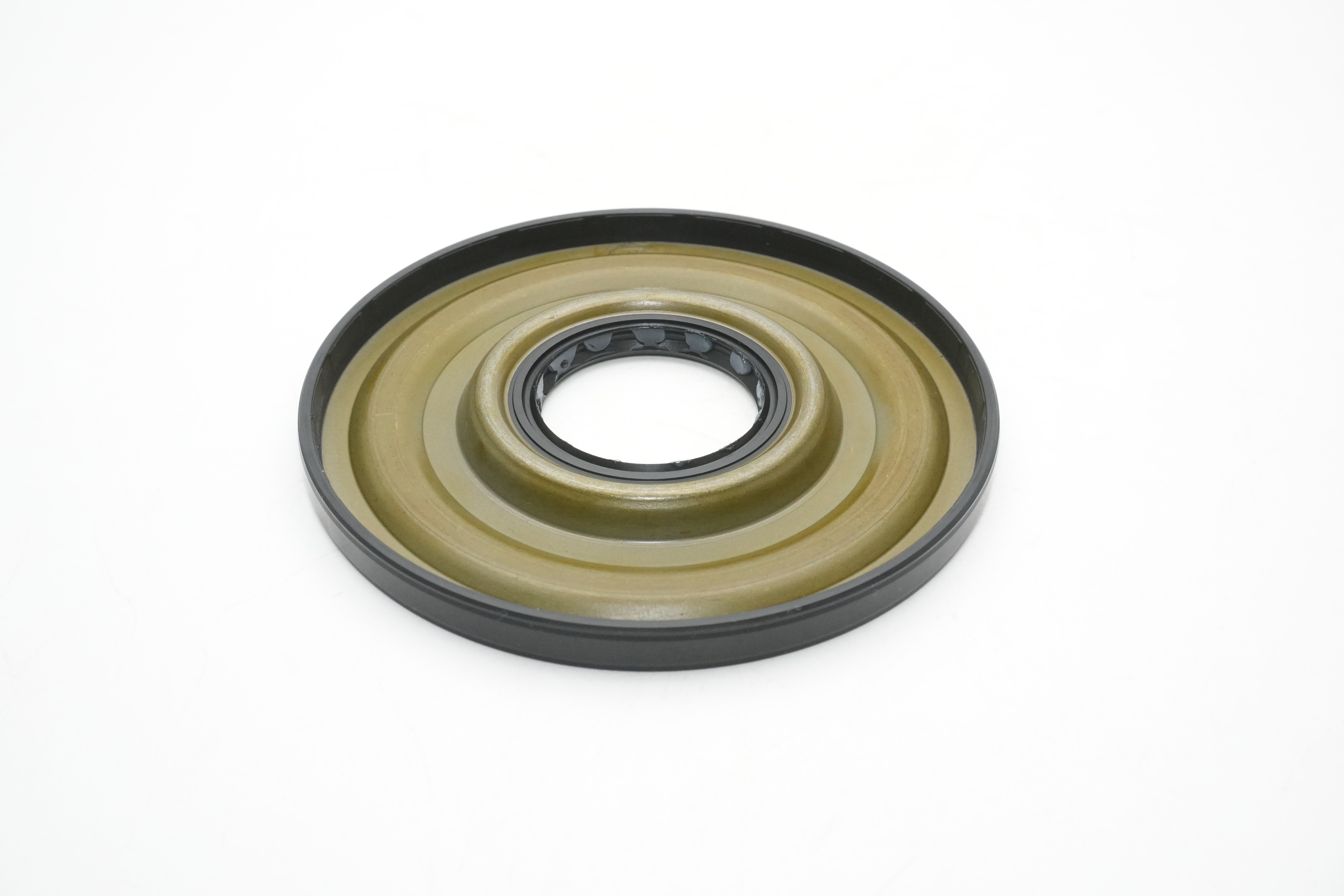
Designing a reliable hydraulic radial shaft seal requires a deep understanding of mechanical motion, fluid pressure, and material behavior. Custom engineered seals are often necessary when hydraulic systems operate under unique conditions that standard seals cannot handle effectively.
Shaft Speed and Surface Finish
The rotational speed of the shaft plays an important role in seal design. High speed shafts generate heat and friction, which can accelerate seal wear. Engineers must ensure that the seal lip geometry and material composition can tolerate the friction generated during operation.
Pressure and Temperature Conditions
Hydraulic equipment frequently operates under varying pressure levels and temperature ranges. Seal materials must maintain elasticity and sealing force across these conditions. Advanced elastomers and PTFE materials are commonly selected for their stability and durability.
Contamination Protection
External contaminants such as dust, water, and debris can damage internal mechanical components. Many radial shaft seals incorporate auxiliary dust lips or protective designs that prevent contamination from entering the system.
Custom Engineering Advantages
By customizing seal dimensions, lip structures, and materials, engineers can create sealing solutions that perfectly match hydraulic equipment requirements.
SEO Keywords: custom hydraulic shaft seal design, industrial radial shaft seals, wear resistant hydraulic seals, high pressure shaft sealing solutions, PTFE hydraulic radial seals, rotating shaft sealing engineering, hydraulic pump seal design, industrial sealing technology, heavy duty hydraulic seals, equipment protection shaft seals
.png)