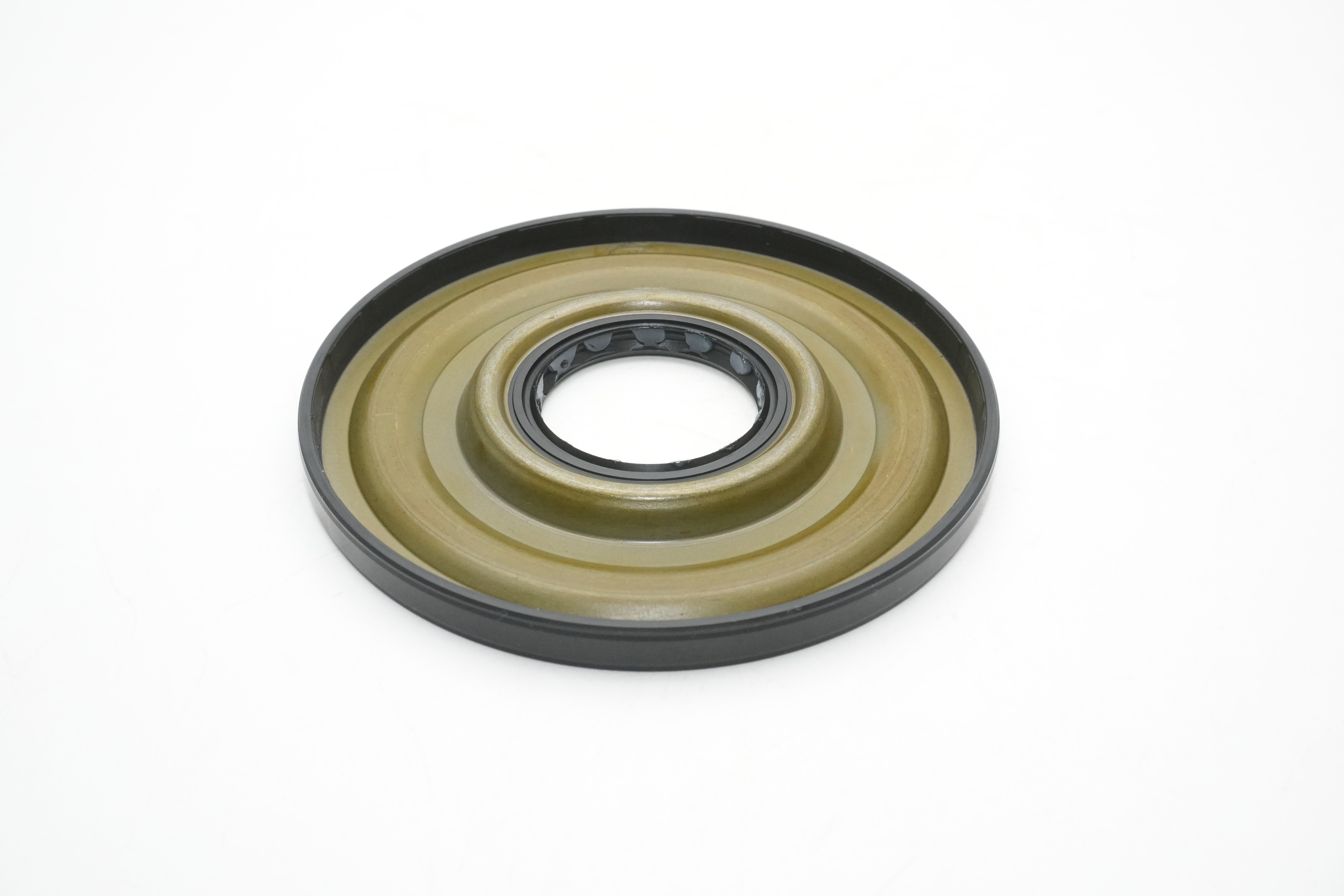
The performance of hydraulic radial shaft seals depends heavily on the materials used in their construction. Modern hydraulic equipment operates under demanding conditions including high pressure, high rotational speeds, and constant mechanical friction. To withstand these conditions, manufacturers rely on advanced sealing materials designed specifically for wear resistance and long term durability.
Why Material Selection Matters
Material selection directly affects sealing performance, friction levels, chemical compatibility, and temperature resistance. Poor material choices can lead to rapid seal degradation, leakage, and equipment failure. Engineers therefore carefully select compounds that match the operating environment of the hydraulic system.
Common Materials Used in Radial Shaft Seals
Several high performance materials are widely used in industrial sealing technology. Nitrile rubber offers excellent resistance to oil and hydraulic fluids. Fluoroelastomers provide superior temperature and chemical resistance. PTFE composites deliver extremely low friction and outstanding wear resistance.
Advanced Composite Technologies
Modern sealing solutions often combine multiple materials to enhance performance. Reinforced PTFE composites and polymer blends allow seals to maintain flexibility while resisting abrasion and mechanical wear.
Impact on Hydraulic Equipment Performance
Using advanced materials improves sealing reliability, reduces leakage, and helps maintain consistent hydraulic pressure. This leads to improved equipment efficiency and lower maintenance costs.
SEO Keywords: PTFE hydraulic shaft seals, wear resistant sealing materials, industrial radial shaft seal technology, hydraulic seal materials, custom hydraulic seals, high performance sealing compounds, industrial equipment seals, rotating shaft seal materials, durable hydraulic seals, hydraulic sealing engineering
.png)