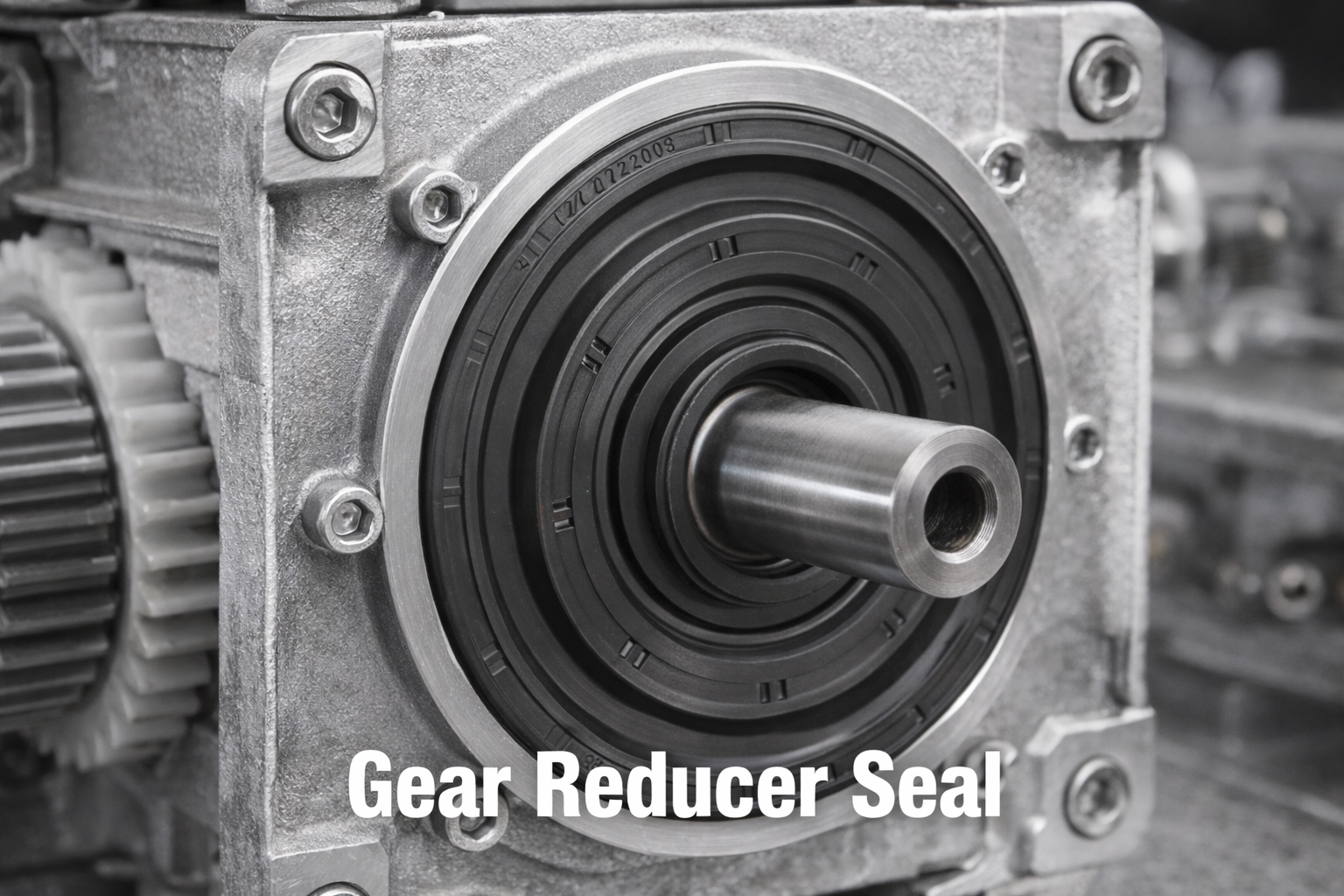
Heat-Induced Seal Failures in Water Well Drilling Rigs
Water well drilling rigs operate in extreme conditions where high temperatures and pressure can significantly affect hydraulic system seals. These seals are crucial for preventing fluid leakage and ensuring proper system performance. In this article, we explore how heat-induced failures affect seals in water well drilling rigs and discuss strategies to mitigate these challenges.
The Role of Seals in Water Well Drilling Rigs
Seals in water well drilling rigs are essential for maintaining the integrity of hydraulic systems. They prevent the leakage of hydraulic fluids and keep contaminants out of the system. The high temperatures in drilling environments pose a significant threat to these seals, leading to wear, deformation, and eventual failure if not managed properly.
Impact of Heat on Seals
Heat-induced failures can cause several issues with seals in water well drilling rigs:
Seal Hardening: High temperatures can cause seals to lose their flexibility, making it difficult for them to maintain a proper seal.
Seal Deformation: Prolonged exposure to heat can soften seals, causing them to deform and leak hydraulic fluid.
Lubricant Breakdown: Heat accelerates the breakdown of lubricants, increasing friction and causing further wear on seals.
These issues can result in frequent maintenance, system downtime, and higher repair costs.
Strategies to Mitigate Heat-Induced Seal Failures
To reduce the impact of heat on seals in water well drilling rigs, several strategies can be implemented:
Use of Heat-Resistant Seals: Seals made from materials like Viton, PTFE, and silicone can withstand higher temperatures, extending their lifespan and maintaining their sealing capabilities.
Improved Cooling Systems: Drilling rigs can be equipped with more efficient cooling systems to regulate temperatures and reduce the thermal stress on seals.
Regular Seal Inspections: A regular maintenance schedule, including seal inspections, can help identify wear and replace seals before they fail.
Lubricant Selection: Using high-quality lubricants that are compatible with heat-resistant seals can reduce friction and wear, helping to extend seal life.
By implementing these strategies, water well drilling rigs can reduce the risk of seal failure, improve operational efficiency, and lower maintenance costs.
Conclusion
Heat-induced seal failures are a common challenge in water well drilling rigs. However, with the right materials, maintenance practices, and cooling systems, these issues can be minimized, ensuring that hydraulic systems continue to perform efficiently. By adopting these solutions, operators can reduce downtime, extend the life of their equipment, and reduce operational costs.
SEO Keywords
water well drilling rigs, seal failure, heat-induced failures, hydraulic seals, drilling equipment, Viton seals, PTFE seals, silicone seals, hydraulic fluid, lubrication, cooling systems, seal inspection, hydraulic system performance, seal wear, seal replacement, seal longevity, high-temperature seals, seal degradation, machinery downtime, hydraulic maintenance, drilling efficiency.
.png)