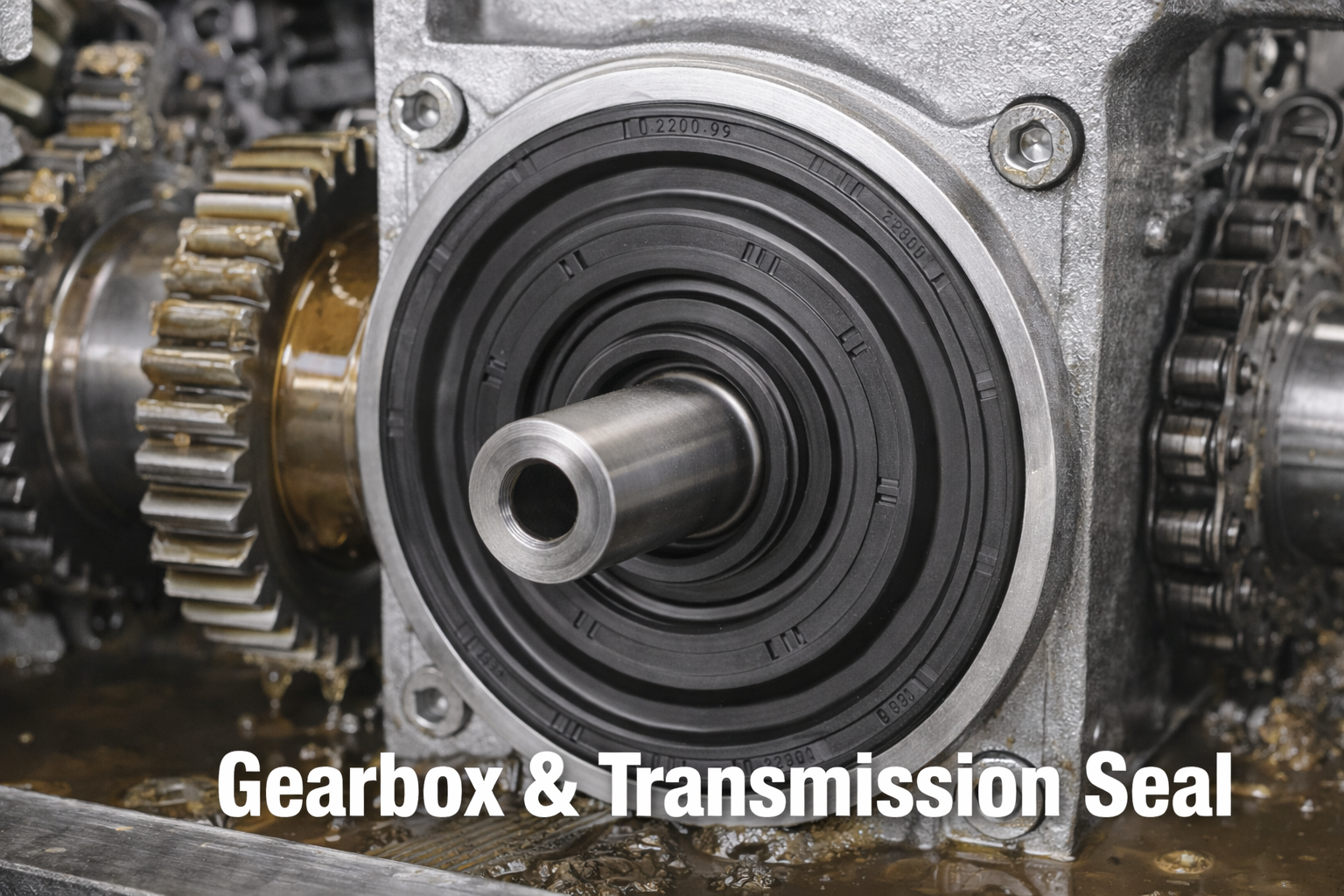
Oil Seal Challenges in Power Generation Equipment: Thermal Effects
Power generation equipment, including turbines, compressors, and generators, operates under conditions of extreme heat, placing significant stress on oil seals. These seals are essential for preventing fluid leaks and ensuring the efficiency of the hydraulic and lubrication systems. However, high temperatures can cause these seals to degrade quickly, leading to performance issues, increased downtime, and higher maintenance costs. In this article, we explore the thermal effects on oil seals in power generation equipment and offer solutions to overcome these challenges.
The Role of Oil Seals in Power Generation Equipment
Oil seals are designed to prevent leakage of hydraulic fluids and lubricants, maintaining the integrity of power generation systems. They help reduce friction, minimize energy loss, and prevent contamination of the system. However, power generation equipment operates under harsh conditions, where extreme temperatures can rapidly accelerate the wear and tear of these seals.
Thermal Effects on Oil Seals
High temperatures can cause several problems for oil seals in power generation equipment:
Seal Hardening: Prolonged exposure to heat can cause seals to lose their flexibility, making it harder for them to maintain a tight seal.
Seal Deformation: Excessive heat can cause seals to soften and deform, leading to leakage and system contamination.
Lubricant Breakdown: High temperatures accelerate the breakdown of lubricants, reducing their effectiveness and causing increased friction on the seals.
These thermal effects can cause a significant decline in system efficiency, leading to unscheduled downtime and costly repairs.
Solutions for Overcoming Thermal Effects on Oil Seals
To address thermal stress on oil seals in power generation equipment, several strategies can be employed:
Use of Heat-Resistant Seal Materials: Seals made from materials such as Viton, PTFE, and silicone provide better resistance to high temperatures, ensuring longer seal life and improved performance.
Enhanced Cooling Systems: Power generation equipment can be equipped with advanced cooling systems to help regulate temperatures and protect the seals from excessive heat.
Regular Seal Inspections: Establishing a routine inspection and maintenance schedule allows for early detection of wear and tear, preventing premature seal failure.
Optimized Lubricant Selection: Choosing the right lubricants that are compatible with high-temperature seals can help reduce friction and extend seal life.
By implementing these solutions, power generation plants can mitigate the thermal effects on oil seals, reduce maintenance costs, and improve the reliability of their systems.
Conclusion
Thermal stress is a significant challenge for oil seals in power generation equipment. However, by selecting heat-resistant materials, improving cooling systems, and adopting proactive maintenance practices, power generation plants can improve the performance and longevity of their hydraulic and lubrication systems. These solutions will help ensure the continued reliability of power generation equipment and reduce costly downtime.
SEO Keywords
power generation equipment, oil seal challenges, thermal effects, high temperature seals, power plants, Viton seals, PTFE seals, silicone seals, lubricant breakdown, seal wear, hydraulic seals, seal inspection, cooling systems, lubrication, system performance, downtime reduction, heat-resistant seals, machinery maintenance, seal failure, turbine performance, industrial seals.
.png)