Exploring the Role of Mechanical Engineers in Shaft Seal Optimization
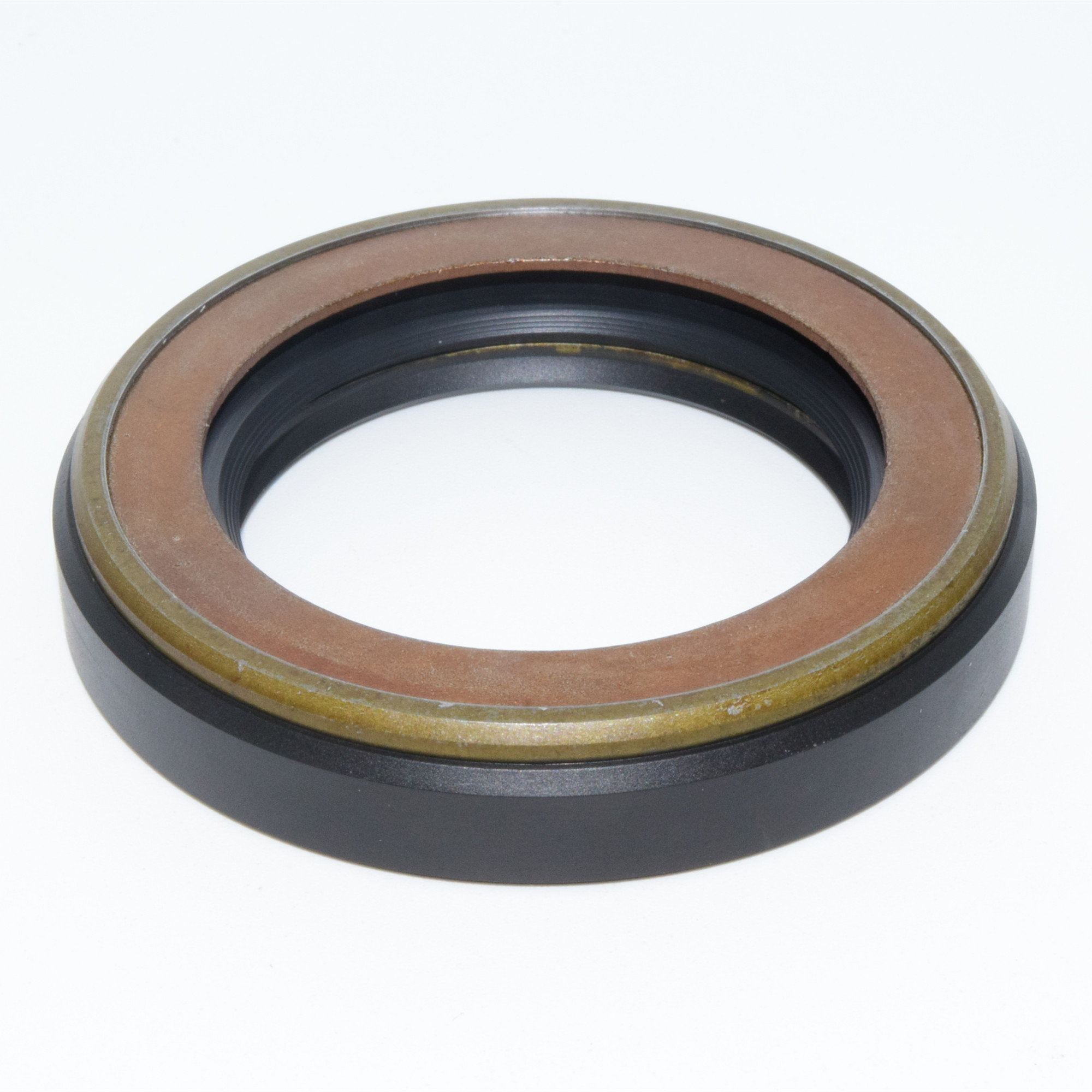
Mechanical engineers play a crucial role in the optimization of shaft seals, which are integral components in many industrial systems. These seals prevent leakage of fluids and gases while allowing machinery to function smoothly. The design and performance of shaft seals are essential to the efficiency and reliability of industrial systems. This article explores the critical role mechanical engineers play in improving shaft seal designs and ensuring their optimal performance in various industrial applications.
One of the primary responsibilities of mechanical engineers in shaft seal optimization is selecting the right materials. The materials used for shaft seals must be able to withstand high pressures, temperature fluctuations, and exposure to aggressive fluids. Engineers carefully evaluate various material options, including elastomers, polymers, and advanced composites, to ensure that the selected material will perform well under the operating conditions of the system. Material selection plays a significant role in extending the lifespan of the seal and minimizing wear and degradation.
In addition to material selection, engineers must also focus on seal geometry. The design of the seal lip, the contact pressure, and the overall configuration of the seal significantly impact its ability to perform effectively. Mechanical engineers use advanced design tools and simulation software to model and test various seal geometries before physical prototypes are made. This optimization process helps engineers select the most efficient seal design for each specific application, improving performance and reducing friction, wear, and energy consumption.
Another important aspect of shaft seal optimization is dynamic simulation. By simulating real-world operating conditions such as pressure, temperature, and rotational speeds, engineers can predict how the seal will behave over time. This allows engineers to identify potential issues, such as leakage, excessive wear, or material degradation, and make design adjustments before the seal is put into use. Dynamic simulation helps improve the reliability and longevity of shaft seals by enabling engineers to optimize their designs for specific industrial applications.
Finally, testing plays an essential role in the optimization process. After designing and simulating the performance of shaft seals, mechanical engineers conduct rigorous testing to validate their designs. Tests include pressure testing, thermal cycling, and wear testing, all of which simulate real-world conditions and ensure that the seal will perform reliably over time. Through these testing methods, engineers can identify weaknesses and make the necessary adjustments to improve the seal's performance.
In conclusion, mechanical engineers are instrumental in optimizing the design and performance of shaft seals. By selecting the right materials, optimizing seal geometry, utilizing dynamic simulation, and conducting rigorous testing, engineers ensure that shaft seals provide reliable, long-lasting performance. As industries continue to evolve and demand higher performance, the role of mechanical engineers in shaft seal optimization will remain critical to the success of industrial machinery.
.png)