The Impact of Dynamic Simulation on Industrial Lip Radial Shaft Seals
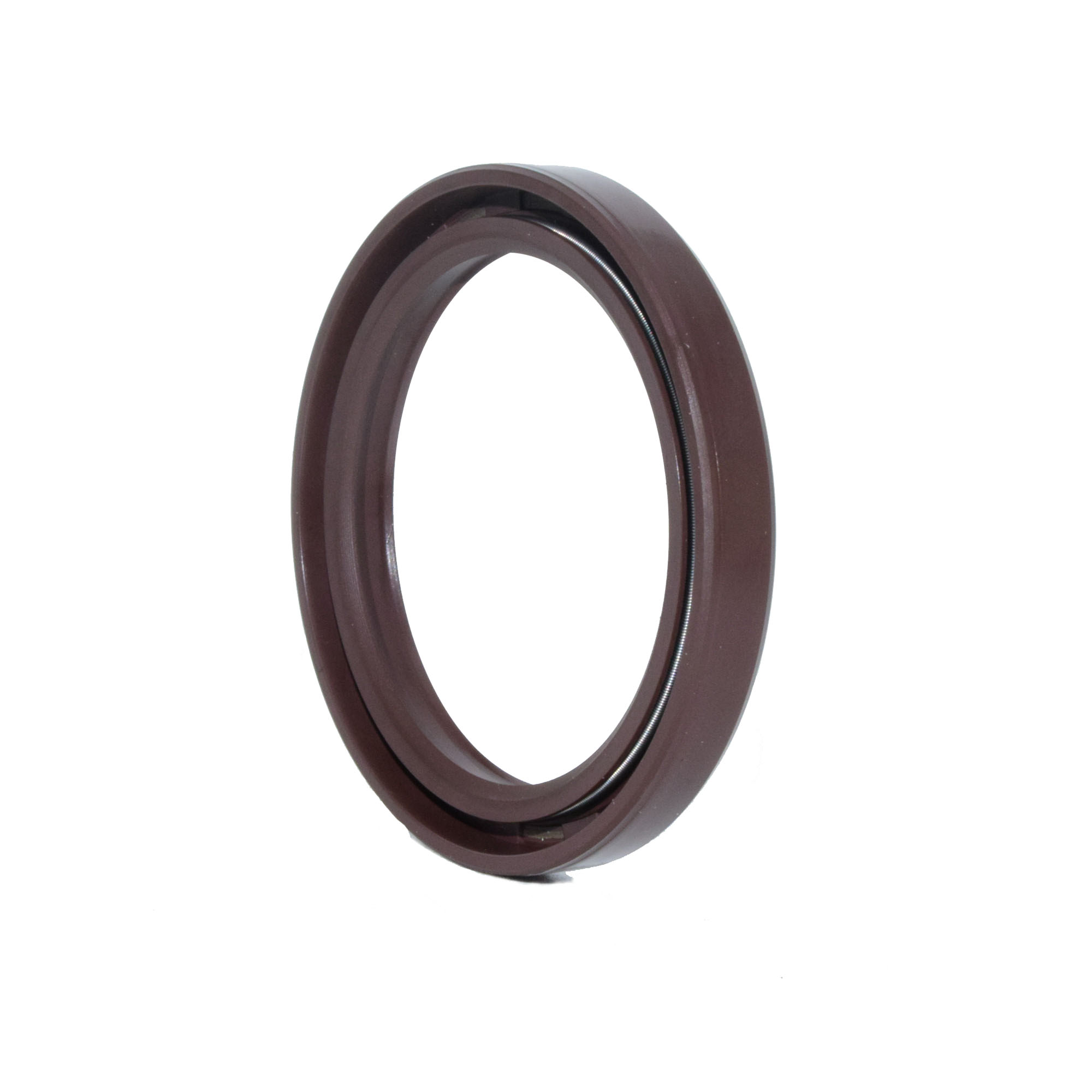
Dynamic simulation has proven to be an invaluable tool in the design and optimization of industrial lip radial shaft seals. These seals play a vital role in preventing leakage and ensuring the reliability of machinery in industries such as automotive, aerospace, and manufacturing. This article explores the impact of dynamic simulation on improving the performance, efficiency, and durability of industrial lip radial shaft seals under challenging operational conditions.
The primary role of a lip radial shaft seal is to prevent leakage while allowing the shaft to rotate freely. However, ensuring that these seals maintain their effectiveness over time in harsh environments requires careful design and optimization. Traditionally, seal performance was evaluated using static calculations and empirical testing, but with the introduction of dynamic simulation, engineers can now model seal performance under real-world operating conditions such as pressure fluctuations, temperature changes, and varying rotational speeds.
One of the most significant impacts of dynamic simulation is its ability to predict how a seal will behave over time under various conditions. By simulating the seal's performance in a controlled virtual environment, engineers can assess potential issues such as excessive wear, material degradation, or leakage before they occur in real-world applications. This proactive approach helps identify and address potential failures before they lead to operational disruptions, increasing the reliability and lifespan of the seal.
Moreover, dynamic simulation enables engineers to optimize material selection and seal geometry. By testing different materials and seal designs in a virtual environment, engineers can determine the most effective configurations for specific applications. This optimization process results in seals that are more durable, efficient, and cost-effective, reducing the need for costly prototypes and physical testing.
The use of dynamic simulation also enhances the ability to evaluate the performance of seals under extreme operational conditions. In industries such as aerospace and automotive, where seals are exposed to extreme temperatures, high pressures, and aggressive fluids, dynamic simulation ensures that the seals can perform reliably under these harsh conditions. This ensures that machinery remains operational for longer periods, minimizing the need for frequent maintenance and reducing downtime.
In conclusion, dynamic simulation has revolutionized the design and optimization of industrial lip radial shaft seals. By allowing engineers to model real-world conditions, predict performance, and optimize seal materials and geometry, dynamic simulation significantly improves the efficiency, reliability, and longevity of these essential components in industrial systems.
.png)