.png)
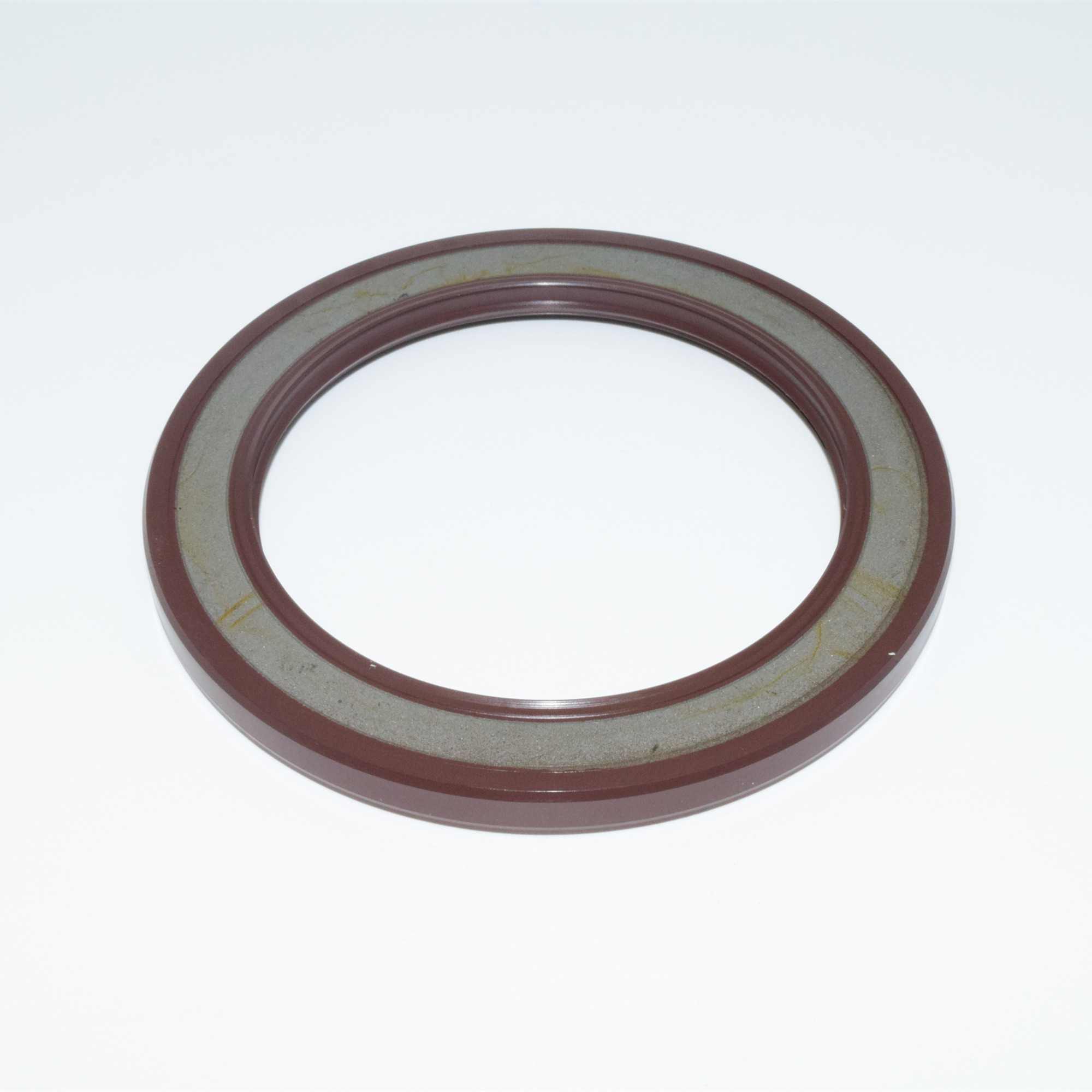
FKM High Pressure Seals: Meeting the Demands of Modern Construction Machinery
Modern machines put more stress into smaller hydraulic packages
Modern construction machinery demands more from hydraulic systems than older equipment. Higher power density, longer duty cycles, tighter packaging, hotter operating environments, advanced hydraulic fluids, and increasingly expensive downtime all raise the importance of reliable sealing. Pumps are expected to deliver strong performance while occupying less space and operating for longer periods between service events.
This creates a difficult environment for shaft seals. Heat, pressure, fluid chemistry, speed, and vibration act together, making material stability a major part of overall pump reliability.
Higher power density means more thermal stress
Compact hydraulic systems can generate significant heat during continuous operation. Excavators, loaders, cranes, and compact track loaders may work all day with limited cooling time. Dust and debris can further reduce cooler performance, causing oil temperature to rise.
FKM is widely used because it offers strong resistance to elevated temperature. A correctly selected compound can retain elasticity and dimensions longer than many standard materials, reducing the risk of hardening, shrinkage, and compression set.
Modern fluids require broader chemical compatibility
Construction fleets increasingly use synthetic, biodegradable, specialty, or additive-rich hydraulic fluids to meet performance, environmental, and maintenance requirements. These fluids can affect elastomers differently. A seal that was reliable with an older mineral oil may swell or soften after a fluid change.
FKM offers broad resistance to many oils and chemicals, making it a strong candidate for modern fluid environments. The exact compound should still be checked against the actual fluid and operating temperature before installation.
Pressure spikes are becoming harder to ignore
Modern hydraulic controls can respond quickly, and attachments can place sudden loads on the system. Short pressure spikes may occur when loads shift or actuators stop rapidly. These peaks can damage a seal that has already softened or lost recovery from heat.
FKM adds material stability, but pressure capability still depends on the complete seal package. Correct gland clearance, lip geometry, hardness, backup support, and pressure-control settings remain essential.
Downtime is more expensive on connected, high-productivity fleets
A modern machine may be part of a tightly scheduled production system. When one excavator, crane, or loader stops, trucks, operators, and downstream crews may also lose productivity. This makes preventive reliability more valuable than simply minimizing component price.
A longer-lasting FKM seal can help extend pump service intervals when heat or fluid degradation is the weak point, giving maintenance teams more control over when the machine is serviced.
Precision manufacturing increases the need for correct installation
Modern hydraulic pumps use tight tolerances and precision surfaces. A seal lip cut by a spline, installed dry, or placed on a grooved shaft can fail immediately regardless of material quality. Cleanliness is equally important because fine contamination can damage both the sealing surface and internal pump components.
Protect the lip during assembly, verify shaft condition, use compatible lubrication, and install the seal squarely. Standardized installation procedures help fleets achieve consistent results across multiple service locations.
Data-driven maintenance makes seal selection smarter
Modern fleets increasingly track machine hours, temperature, fault codes, and maintenance history. This data can help identify pumps that run unusually hot or develop repeat leakage. The failed seal itself adds another layer of evidence through hardness, swelling, wear, and extrusion patterns.
Using this information, maintenance teams can target FKM upgrades where the material actually addresses the failure mechanism rather than applying the same seal everywhere.
Meet modern demands with an engineered sealing system
The strongest FKM solution considers the full operating envelope: working pressure, pressure spikes, minimum and maximum temperature, hydraulic fluid, shaft speed, gland dimensions, shaft finish, and service expectations. FKM is valuable because it provides material margin where heat and chemistry are severe, but reliability comes from the entire system.
For modern construction machinery, this engineered approach helps reduce leakage, protect hydraulic efficiency, extend service intervals, and keep high-value equipment available when production depends on it.
SEO Keywords
modern construction machinery seals, FKM high pressure seals, advanced hydraulic seals, high temperature hydraulic seal, construction equipment hydraulics, FKM hydraulic pump seal, modern hydraulic fluids, pressure spike seal, long life hydraulic seal, heavy equipment reliability, hydraulic pump efficiency, chemical resistant seal, pump shaft seal, construction fleet uptime, hydraulic seal technology, compact hydraulic systems, seal failure prevention, FKM oil seal, modern equipment maintenance, hydraulic pump reliability
READ MORE
Why Loader Hydraulic Pumps Perform Better with FKM High Pressure Seals
The Complete Guide to FKM High Pressure Seals for Construction Hydraulic Systems
FKM vs PU Seals: Which Is Better for High-Pressure Hydraulic Pump Applications?
How FKM Seals Handle Pressure Spikes in Construction Machinery Hydraulic Pumps
FKM High Pressure Seals: Aging Resistance for Long-Life Construction Equipment
The Role of FKM Seals in Maintaining Hydraulic Pump Efficiency at High Pressure
FKM High Pressure Seals in Crane Hydraulic Systems: Performance Under Load
Why Standard Rubber Seals Fail in High-Pressure Hydraulic Pumps — and FKM Doesn't
FKM High Pressure Seals: The Long-Term Cost Savings for Construction Fleets