.png)
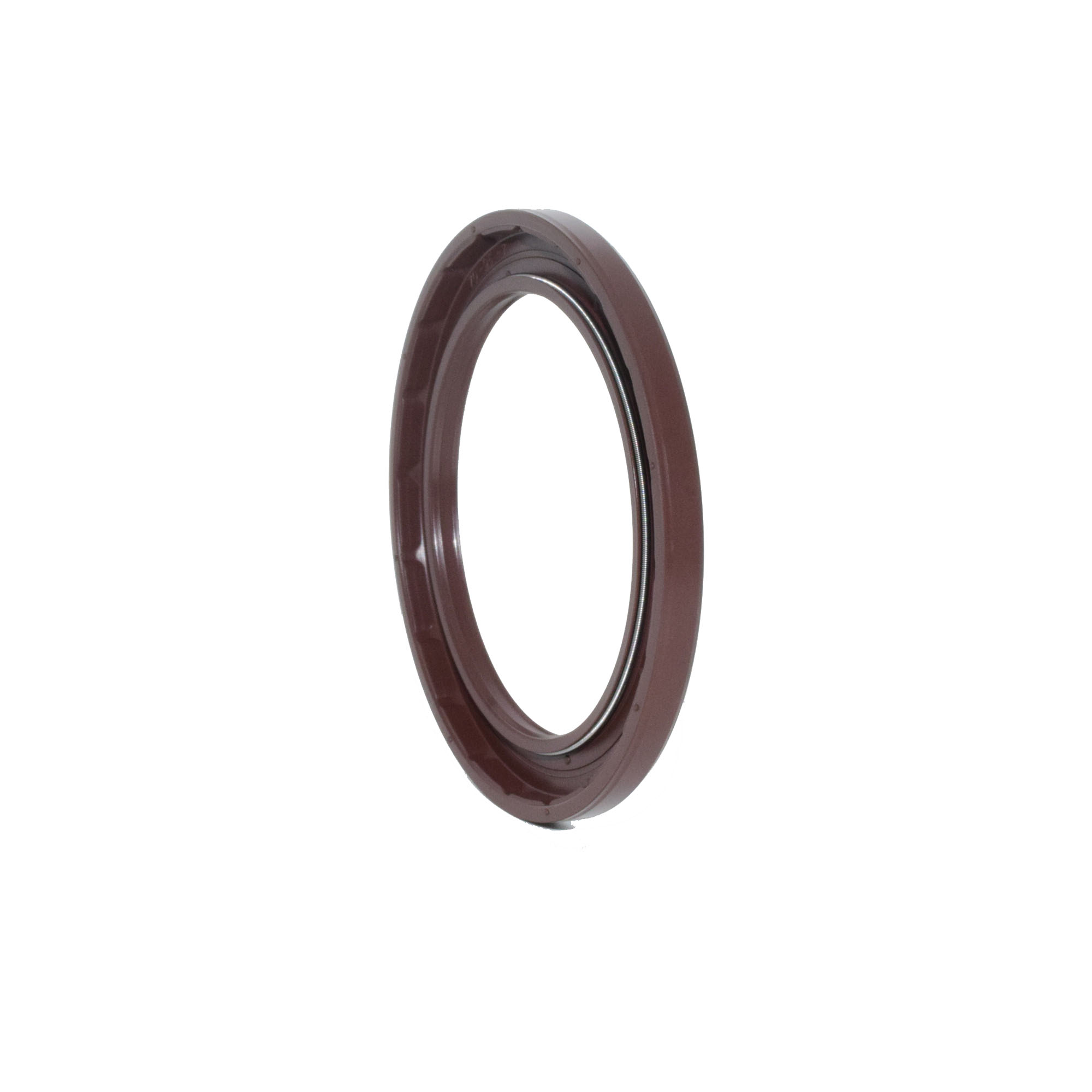
Why Loader Hydraulic Pumps Perform Better with FKM High Pressure Seals
Loaders combine high duty cycle with rapid pressure changes
Loader hydraulic pumps work through constant lift, tilt, steering, and travel demands, often with rapid pressure changes and high oil temperature. A machine loading trucks all day may cycle its hydraulics hundreds of times while operating in dust, aggregate, mud, or extreme ambient temperatures. These conditions place continuous stress on pump seals.
When the shaft seal begins leaking, operators may first notice an oily housing or a small drop in reservoir level. If the problem continues, dirt collects around the leak, oil loss increases, and the loader may eventually need an unscheduled shutdown.
Hot oil is a common cause of repeat leakage
Loaders often operate continuously with little cooling time. Blocked coolers, high ambient temperature, heavy bucket work, and pump wear can all raise hydraulic oil temperature. Standard elastomers may harden, shrink, or take compression set faster under this sustained heat.
FKM is commonly selected because it offers stronger resistance to elevated temperature. A suitable compound can maintain elasticity and dimensional stability longer, helping the lip stay in contact with the rotating shaft.
Pressure cycling exposes weakened seals
Every lift and tilt cycle changes hydraulic pressure. Sudden bucket loading or reaching the end of cylinder travel can create short spikes. If the seal material has softened from heat or fluid exposure, these peaks can push it into clearances and cause extrusion damage.
FKM provides useful stability, but the pressure capability still depends on groove dimensions, seal hardness, backup support, and housing condition. Torn seal edges are a sign that these mechanical factors should be checked.
Stable sealing supports consistent hydraulic performance
A loader that loses hydraulic oil or generates extra friction at the pump seal may run hotter and require more maintenance. Stable lip contact helps keep fluid contained without excessive drag. This supports more predictable pump behavior through long loading cycles.
FKM’s resistance to many oils and additives also helps reduce swelling that can increase friction or change the designed contact pressure.
Shaft wear is a common hidden cause
Loader pumps can accumulate thousands of operating hours. A groove may develop where the seal lip runs, and vibration or bearing wear can increase runout. A new FKM seal installed on a damaged shaft may still leak because the surface itself provides a leakage path.
Inspect the shaft for groove depth, roughness, corrosion, and runout during every pump repair. Use an approved sleeve or replace the shaft when the running surface is outside acceptable limits.
Cleaner pumps mean less contamination risk
Oil escaping from the pump attracts dust and aggregate fines. These contaminants can make the area difficult to inspect and may enter the hydraulic system during emergency repair. Preventing leakage helps keep the pump environment cleaner and supports better maintenance practices.
A longer-lasting FKM seal also reduces the number of times technicians need to open the system in dirty field conditions, lowering the opportunity for contamination during service.
Choose FKM where loader duty justifies it
The strongest candidates are loaders with repeat hot-service leaks, difficult pump access, long daily operating hours, or a history of seal hardening and fluid-related swelling. If the failure is caused by a grooved shaft or poor installation, correct that problem first.
When the actual weak point is material stability, FKM high pressure seals can extend leak-free operating hours and reduce unscheduled maintenance. That helps loaders maintain hydraulic performance and stay productive through demanding construction cycles.
SEO Keywords
loader hydraulic pump seals, FKM loader seals, high pressure loader seals, construction loader hydraulics, FKM high pressure seals, loader pump leakage, high temperature pump seal, pressure cycling seal, loader maintenance, pump shaft seal, hydraulic oil seal, chemical resistant FKM, heavy equipment seals, hydraulic pump reliability, loader downtime reduction, long life hydraulic seal, hydraulic fluid compatibility, seal extrusion prevention, FKM oil seal, loader pump repair
READ MORE
FKM High Pressure Seals: Meeting the Demands of Modern Construction Machinery
The Complete Guide to FKM High Pressure Seals for Construction Hydraulic Systems
FKM vs PU Seals: Which Is Better for High-Pressure Hydraulic Pump Applications?
How FKM Seals Handle Pressure Spikes in Construction Machinery Hydraulic Pumps
FKM High Pressure Seals: Aging Resistance for Long-Life Construction Equipment
The Role of FKM Seals in Maintaining Hydraulic Pump Efficiency at High Pressure
FKM High Pressure Seals in Crane Hydraulic Systems: Performance Under Load
Why Standard Rubber Seals Fail in High-Pressure Hydraulic Pumps — and FKM Doesn't
FKM High Pressure Seals: The Long-Term Cost Savings for Construction Fleets