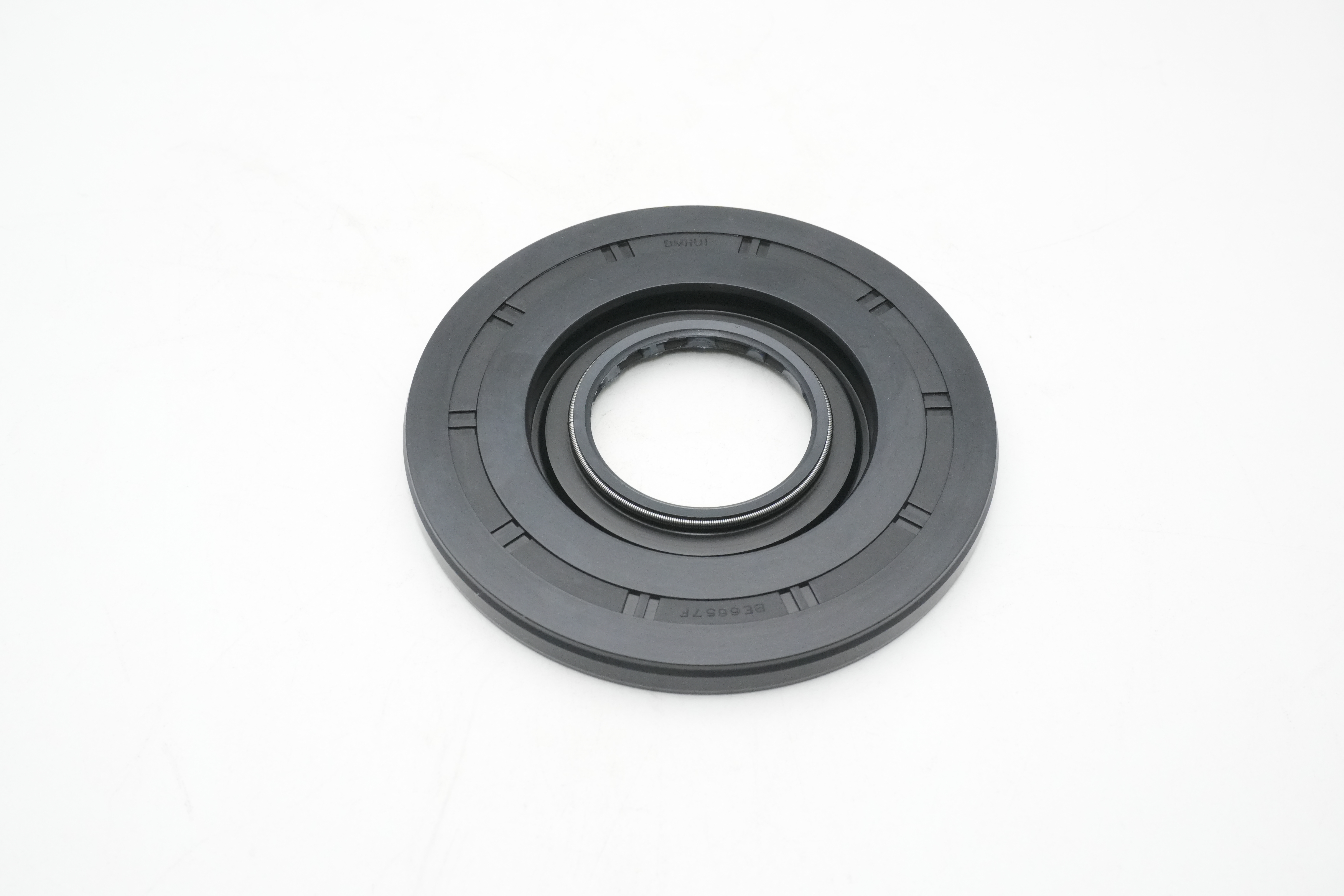
Installing Seals in Confined Spaces: Heat Dissipation Tips
Seals are critical components in hydraulic systems, but installing them in confined spaces can be challenging, especially when high temperatures are involved. In these environments, heat dissipation becomes a critical factor in ensuring seal longevity and performance. This article explores techniques for effective seal installation in confined spaces and strategies for improving heat dissipation.
Challenges of Seal Installation in Confined Spaces
Installing seals in confined spaces is challenging due to limited access and the potential for heat buildup. The high temperatures in these spaces can cause seals to degrade faster, leading to premature failure. Moreover, the lack of airflow can make it harder for the system to dissipate heat effectively, exacerbating the problem.
The Importance of Heat Dissipation
In confined spaces, effective heat dissipation is essential for maintaining seal integrity. Without proper heat management, the seals may overheat, become deformed, or wear out prematurely. By ensuring that heat is properly dissipated, the seals can operate within their recommended temperature ranges, improving their lifespan and performance.
Heat Dissipation Tips for Confined Space Installations
To improve heat dissipation and ensure optimal seal performance during installation in confined spaces, consider the following tips:
Increase Ventilation: If possible, improve ventilation in the confined space to allow for better airflow, helping to carry away excess heat.
Use Heat-Resistant Seals: Choose seals made from materials like Viton or PTFE, which are designed to withstand high temperatures and provide better performance in heat-prone areas.
Install Heat Shields: Use heat shields or insulating materials to protect seals from direct exposure to heat sources and minimize thermal stress.
Ensure Proper Cooling Systems: Implement cooling systems, such as fans or heat exchangers, to regulate temperatures and prevent overheating in confined spaces.
Monitor Operating Temperatures: Regularly check the system’s operating temperatures to ensure that they stay within the recommended limits for optimal seal performance.
Conclusion
Installing seals in confined spaces requires careful consideration of heat dissipation to ensure seal integrity and system performance. By implementing effective heat dissipation techniques and using high-temperature resistant seals, you can improve the longevity and reliability of the seals, even in challenging environments.
SEO Keywords
confined spaces, seal installation, heat dissipation, high-temp seals, seal performance, seal longevity, heat resistance, hydraulic seals, seal maintenance, seal failure prevention, system cooling, ventilation, heat shields, PTFE seals, Viton seals, lubrication, machinery performance, seal wear, hydraulic system maintenance, high-temperature systems, seal replacement.
.png)