Maximizing Shaft Seal Durability with Dynamic Simulation
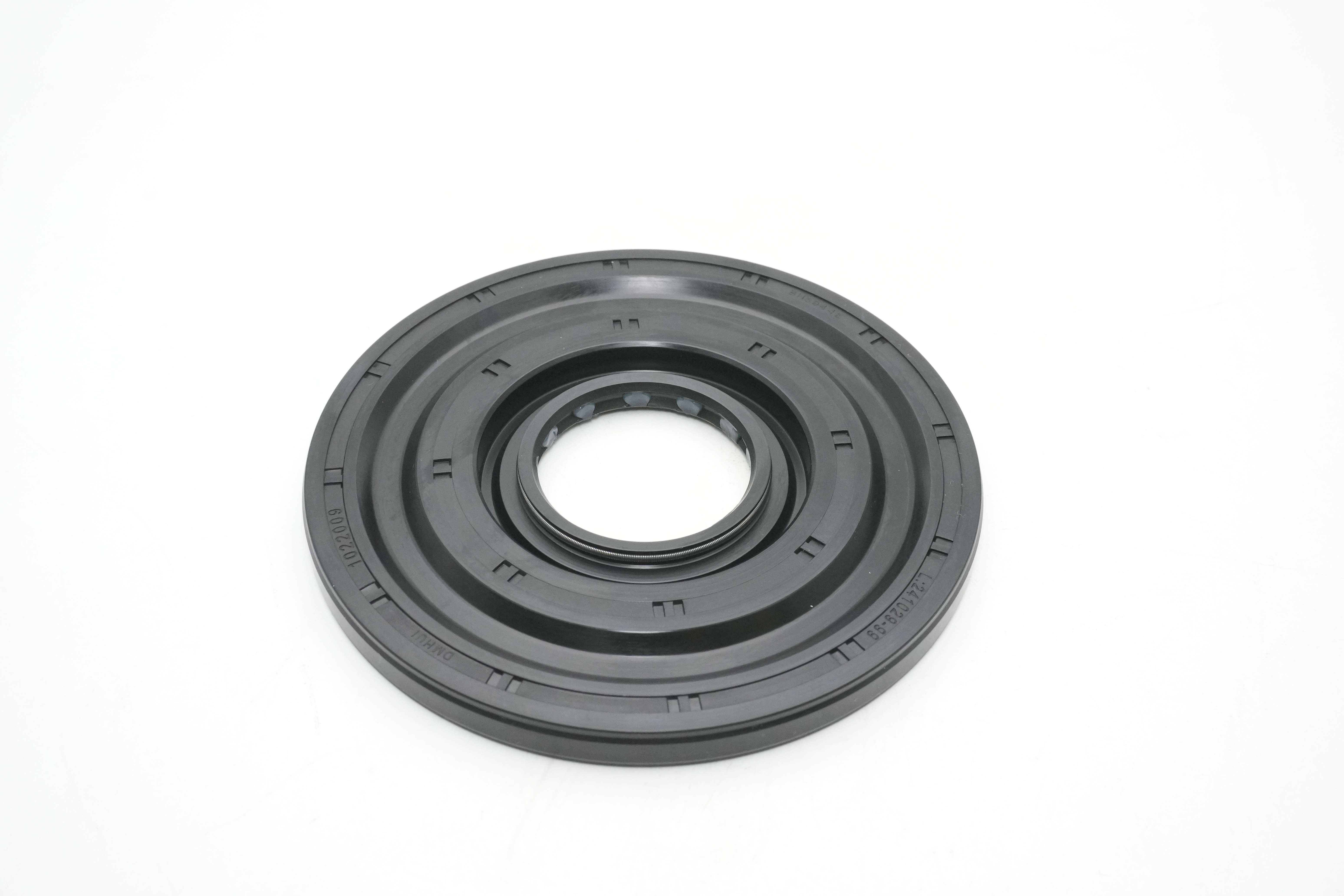
Shaft seals play a critical role in preventing leakage and maintaining the integrity of machinery by preventing the escape of fluids and gases. In industrial systems, ensuring that shaft seals perform reliably over time is crucial for the longevity of the equipment. Dynamic simulation has become an invaluable tool in optimizing the design and durability of shaft seals. This article explores how dynamic simulation helps maximize the durability of shaft seals, enhancing their long-term performance in demanding industrial environments.
Shaft seals are exposed to various stresses during operation, including pressure variations, temperature fluctuations, and rotational speeds. These stresses can cause wear and degradation over time, ultimately leading to seal failure. In the past, engineers relied on physical testing and trial-and-error methods to predict seal performance. However, with the advent of dynamic simulation, engineers can now model seal behavior under real-world conditions, providing valuable insights into how seals will perform throughout their lifespan.
Dynamic simulation allows engineers to simulate the performance of shaft seals under a wide range of operating conditions. By replicating pressure, temperature, and rotational speed variations in a virtual environment, engineers can identify potential issues such as excessive wear, material degradation, or leakage before they occur in real-world applications. This proactive approach enables engineers to optimize seal design and material selection to enhance durability and performance over the long term.
One of the key advantages of dynamic simulation is its ability to predict the wear and degradation of seal materials. Engineers can simulate the effects of friction, thermal cycles, and exposure to aggressive fluids, which are common stress factors that contribute to seal failure. By modeling these factors, engineers can estimate the seal's lifespan and make design adjustments to improve its durability. This predictive capability ensures that seals can withstand operational stresses for extended periods, minimizing the risk of unexpected failures and reducing the need for frequent maintenance and replacements.
Additionally, dynamic simulation helps optimize seal geometry to reduce friction and wear. The design of the seal lip, the contact pressure between the seal and the shaft, and the overall configuration of the seal all influence its durability. Simulation tools allow engineers to test different seal designs and configurations in a virtual environment, refining the geometry to minimize wear and improve sealing efficiency.
In conclusion, dynamic simulation is a powerful tool for maximizing the durability of shaft seals. By simulating real-world conditions and predicting seal behavior over time, dynamic simulation helps engineers optimize seal design, material selection, and geometry, ensuring that seals perform reliably in demanding industrial applications. This technology contributes to the development of more durable, cost-effective sealing solutions that improve the efficiency and longevity of industrial machinery.
.png)