The Role of Dynamic Simulation in Industrial Lip Radial Shaft Seals
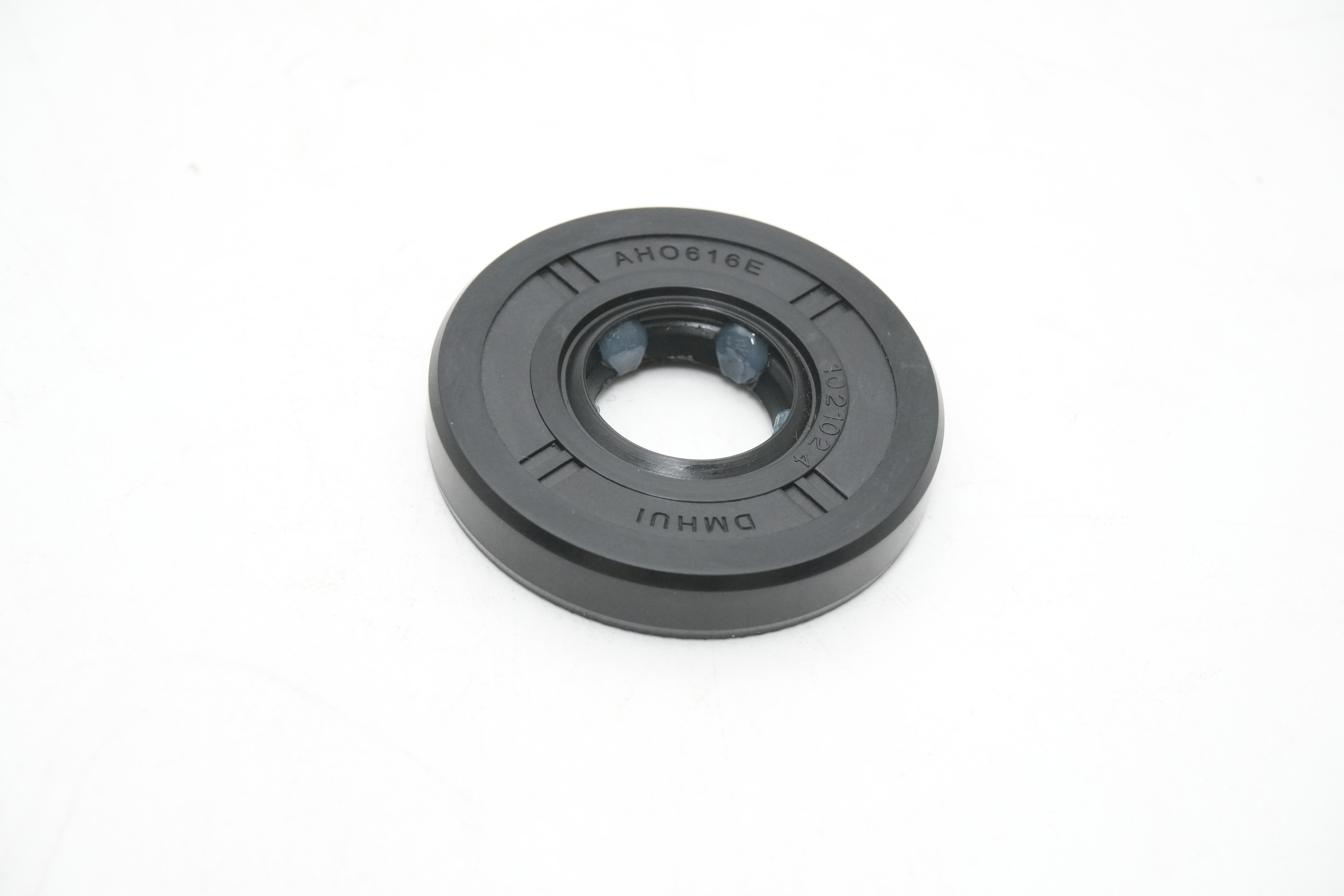
Dynamic simulation is rapidly becoming a cornerstone in the design and optimization of industrial lip radial shaft seals. These seals are essential components in various machinery, offering vital protection against leakage and ensuring the integrity of the systems they serve. The role of dynamic simulation in the development and optimization of these seals cannot be overstated, as it offers unprecedented insights into their behavior under different operational conditions. This article explores the role of dynamic simulation in enhancing the performance, reliability, and longevity of industrial lip radial shaft seals.
Industrial lip radial shaft seals play a crucial role in preventing the leakage of fluids or gases from the machinery in which they are used. The effectiveness of these seals directly impacts the overall performance and efficiency of the machinery, making their design and optimization a priority for engineers. Traditionally, engineers relied on static calculations and empirical testing to develop these seals. While this approach was effective, it did not account for the dynamic forces at play in real-world applications.
Dynamic simulation, on the other hand, allows engineers to model the performance of shaft seals under a wide range of operating conditions, including variations in pressure, temperature, speed, and material properties. By replicating the real-world conditions that seals will experience, dynamic simulation provides engineers with a deeper understanding of how seals behave during operation. This insight is invaluable in optimizing seal design and improving the overall sealing performance of industrial systems.
One of the key advantages of dynamic simulation is its ability to predict how seals will perform over time. By simulating the wear and degradation of the seals under various operational conditions, engineers can estimate their lifespan and plan for proactive maintenance or replacement. This predictive capability reduces the risk of unexpected seal failures, minimizing downtime and enhancing the reliability of the machinery in which the seals are used.
Additionally, dynamic simulation can optimize the material selection process for lip radial shaft seals. Different materials behave differently under various stress and temperature conditions, and the ability to simulate these behaviors in a virtual environment allows engineers to select the best materials for the specific sealing requirements of a given application. This not only improves sealing efficiency but also ensures that seals are durable and capable of withstanding the rigors of industrial environments.
Dynamic simulation also helps engineers refine the geometry of lip radial shaft seals. By simulating different seal lip designs, engineers can determine the optimal configuration for various operating conditions, ensuring that the seals perform effectively throughout their lifecycle. This ability to fine-tune seal geometry enhances both performance and longevity, reducing the likelihood of seal failure due to poor design.
In conclusion, dynamic simulation is a powerful tool in the optimization of industrial lip radial shaft seals. By providing engineers with a comprehensive understanding of how seals behave under different operating conditions, dynamic simulation enables the development of more reliable, efficient, and durable sealing solutions. As industries continue to demand higher performance and longer-lasting equipment, dynamic simulation will play an increasingly important role in the future of shaft seal design and optimization.
.png)