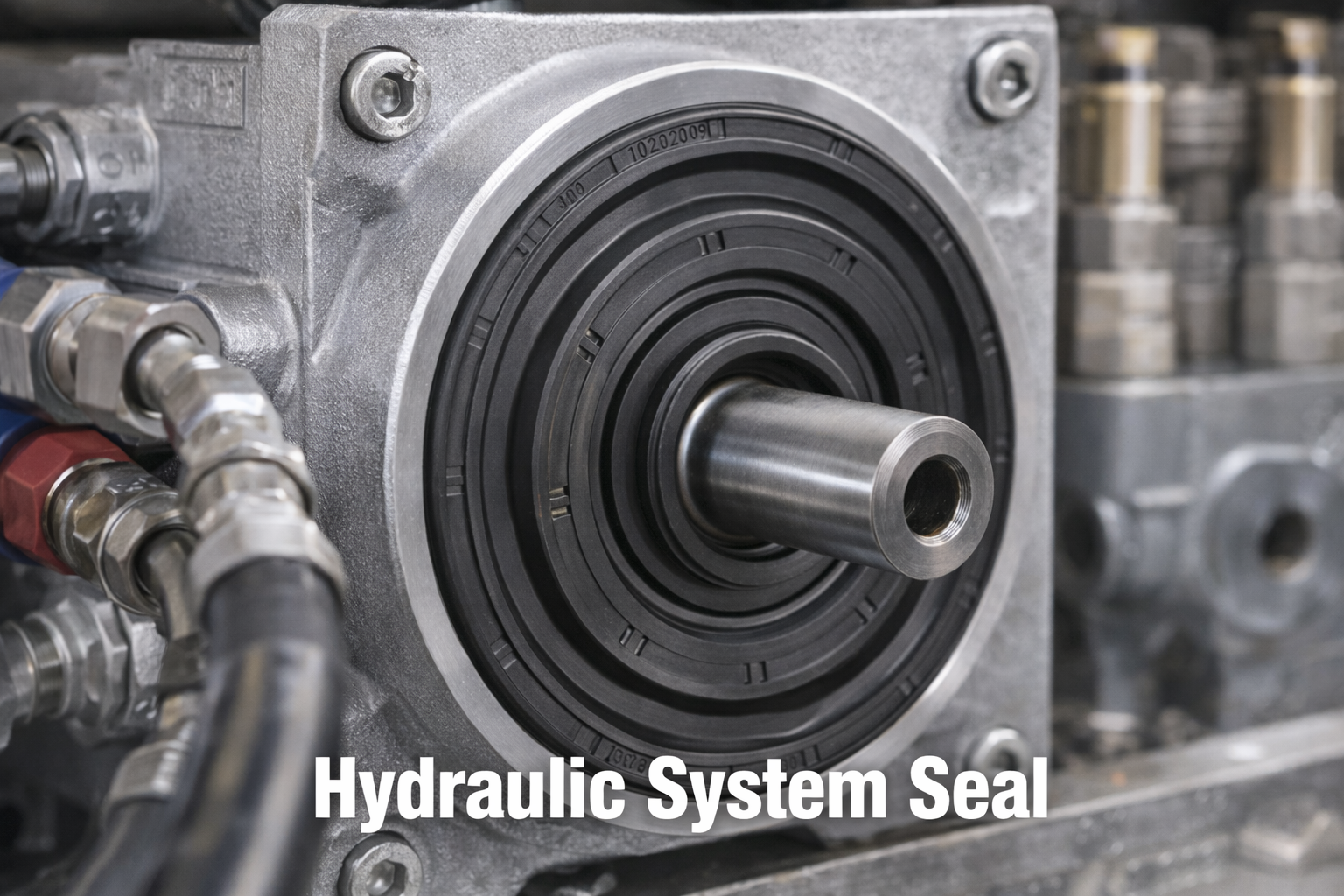
Preventing Seal Scoring During High-Temperature Installation
Seal scoring is a common problem during the installation of seals in high-temperature environments. It occurs when the seal lip comes into contact with the shaft or housing in a way that causes visible damage to the seal surface. Seal scoring can lead to leakage, seal failure, and reduced system performance. In this article, we will discuss how to prevent seal scoring during high-temperature installation and improve seal performance in hydraulic systems.
What is Seal Scoring?
Seal scoring refers to the formation of grooves, scratches, or indentations on the seal lip, often caused by friction with the shaft or housing. In high-temperature environments, the seal material can soften, making it more susceptible to scoring. This damage compromises the seal’s ability to maintain a proper barrier, leading to leakage and potential system contamination.
Causes of Seal Scoring
Several factors can contribute to seal scoring during high-temperature installation:
Excessive Friction: High friction between the seal lip and the shaft or housing can cause surface damage to the seal material, leading to scoring.
Misalignment: Misalignment of the seal during installation can cause uneven contact between the seal and shaft, increasing the risk of scoring.
Contaminants: Dirt, dust, or debris on the shaft or in the seal groove can cause abrasive wear on the seal surface, leading to scoring.
How to Prevent Seal Scoring
To prevent seal scoring during high-temperature installation, follow these tips:
Ensure Proper Alignment: Always align the seal correctly with the shaft and housing to ensure even contact and prevent misalignment.
Use Lubricants: Apply appropriate lubricants to the seal lip and shaft to reduce friction during installation, minimizing the risk of scoring.
Clean the Surface: Thoroughly clean the shaft and housing to remove any contaminants that could cause abrasive wear on the seal.
Select the Right Seal Material: Use seals made from materials designed to withstand high temperatures and reduce the risk of scoring, such as Viton and PTFE.
Proper Tool Selection: Use the correct installation tools that minimize the risk of damaging the seal during installation.
Conclusion
Preventing seal scoring is essential for ensuring the performance and longevity of seals in high-temperature hydraulic systems. By aligning the seal properly, using lubricants, cleaning surfaces, selecting the right material, and using proper tools, you can avoid seal damage and improve system efficiency.
SEO Keywords
seal scoring, high-temperature installation, seal performance, hydraulic seals, seal damage, lubrication, seal maintenance, seal wear prevention, system cooling, PTFE seals, Viton seals, seal alignment, hydraulic components, machinery performance, seal inspection, installation tools, friction reduction, high-temperature seals, seal replacement, hydraulic fluid, leakage prevention.
.png)