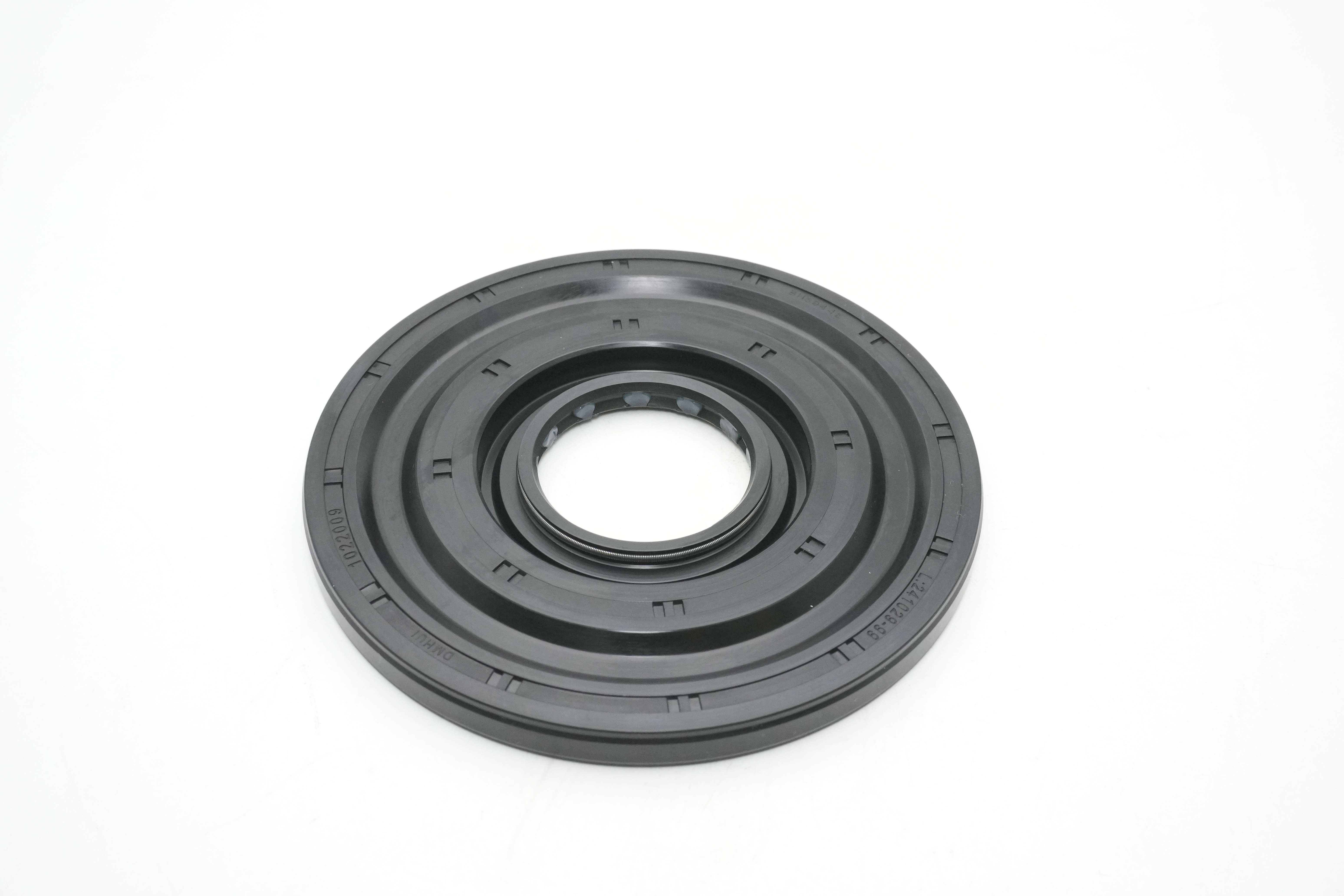
Installation Tools: Choosing the Right Equipment for Heat-Sensitive Seals
Proper installation of heat-sensitive seals is essential for ensuring their longevity and performance. Choosing the right installation tools is crucial to avoid seal damage, deformation, or improper sealing. This article explores the importance of selecting the appropriate tools for installing heat-sensitive seals in hydraulic systems.
The Importance of Choosing the Right Installation Tools
The correct installation tools can make a significant difference in the performance of heat-sensitive seals. Incorrect tools can damage the seal during installation, leading to leaks, premature wear, and system inefficiency. The right tools ensure the seal is installed correctly without causing deformation or other issues.
Key Considerations When Choosing Installation Tools
When selecting installation tools for heat-sensitive seals, keep the following considerations in mind:
Seal Material Compatibility: Ensure the tools are compatible with the seal material to avoid damaging the seal during installation. Tools made from materials that do not scratch or deform seals are ideal.
Proper Size and Fit: The tools must be the correct size and fit for the seal and housing to ensure proper installation without causing damage to the seal or system components.
Ease of Use: Select tools that are easy to use and provide precise control during installation to prevent over-tightening or misalignment, which could lead to seal failure.
Durability and Quality: High-quality, durable tools are essential to withstand the forces required during seal installation, especially for heat-sensitive seals used in high-pressure systems.
Recommended Tools for Installing Heat-Sensitive Seals
Here are some commonly used tools for installing heat-sensitive seals:
Seal Installation Kit: A dedicated seal installation kit includes all the necessary tools for proper seal placement, such as installation sleeves and mandrels.
Torque Wrench: A torque wrench is crucial for applying the correct tightening force, ensuring the seal is neither over-tightened nor under-tightened.
Seal Insertion Tool: This tool helps to evenly insert seals into the housing without causing damage, ensuring the seal stays in place during installation.
Lubricant Applicator: A lubricant applicator can help reduce friction during installation, ensuring the seal is properly seated without damage.
Conclusion
Choosing the right installation tools is critical for ensuring the longevity and performance of heat-sensitive seals. By using the proper tools, you can avoid damaging the seals and improve the efficiency of hydraulic systems. Always select tools that are compatible with the seal material, fit the seal correctly, and provide precise control during installation.
SEO Keywords
installation tools, heat-sensitive seals, seal performance, hydraulic seals, seal installation, seal longevity, hydraulic system efficiency, seal wear prevention, torque wrench, seal fitting, seal damage prevention, lubricant applicator, seal installation kit, seal inspection, machinery maintenance, seal replacement, high-temperature seals, hydraulic fluid, friction reduction, system cooling, seal failure prevention.
.png)