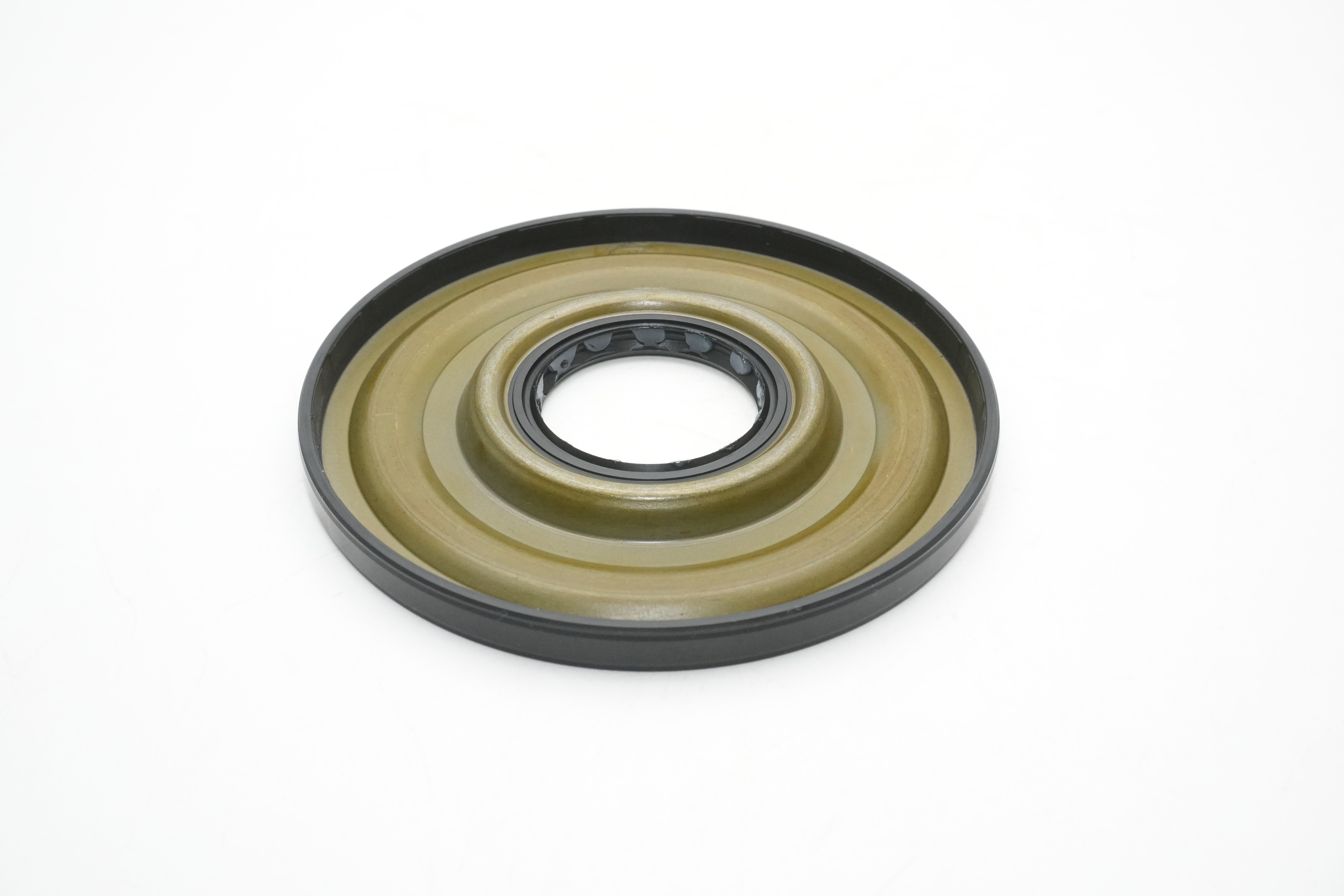
How to Ensure a Perfect Seal Lip Contact Pressure in Hot Systems
Maintaining the correct seal lip contact pressure is crucial for preventing leakage and ensuring the longevity of seals in high-temperature hydraulic systems. Improper pressure can lead to premature wear and failure of the seal, affecting system performance. This article explores the importance of seal lip contact pressure and offers techniques to achieve optimal sealing in hot environments.
The Role of Seal Lip Contact Pressure
The seal lip is the critical part of a seal that maintains contact with the shaft or housing, creating a barrier that prevents fluid leakage. Correct seal lip contact pressure ensures the seal remains tight, even under high temperatures. If the contact pressure is too low, the seal will not maintain an adequate barrier, leading to leaks. Conversely, excessive pressure can cause the seal to wear prematurely, resulting in failure.
Challenges in High-Temperature Environments
High temperatures in hydraulic systems can affect the performance of seals, causing them to soften, lose elasticity, or deform. These changes can alter the seal lip contact pressure, leading to sealing failure. Therefore, ensuring the correct pressure is applied to the seal lip is essential in hot systems to prevent premature wear and maintain seal integrity.
How to Achieve Optimal Seal Lip Contact Pressure
Achieving optimal seal lip contact pressure in high-temperature systems requires careful attention to several factors:
Proper Seal Selection: Choose a seal material that is suitable for high temperatures and capable of maintaining its shape and elasticity under heat. Materials such as Viton and PTFE are commonly used for their heat-resistant properties.
Correct Installation: Ensure that the seal is installed correctly and aligned with the shaft or housing to maintain uniform pressure on the seal lip.
Use of Spring Loading: Implement spring-loaded seals to maintain consistent contact pressure, even when there are temperature fluctuations or system vibrations.
Regular Maintenance: Regularly check the condition of the seal and look for any signs of wear or deformation. Replacing worn seals promptly helps maintain seal lip contact pressure.
Conclusion
Maintaining the correct seal lip contact pressure is essential for the longevity and performance of seals in high-temperature hydraulic systems. By carefully selecting the right seals, ensuring proper installation, using spring-loaded systems, and conducting regular maintenance, you can prevent seal failure and extend the service life of hydraulic systems.
SEO Keywords
seal lip contact pressure, hot systems, seal performance, hydraulic seals, high-temperature seals, seal maintenance, spring-loaded seals, hydraulic system performance, seal wear, leakage prevention, seal longevity, seal replacement, seal inspection, system cooling, PTFE seals, Viton seals, seal failure prevention, seal degradation, machinery maintenance, hydraulic fluid, lubrication.
.png)