Selecting the Right Seal Profile for Parallel Shaft Gear Reducers
By Daisy
Parallel shaft gear reducers are “workhorse” machines—reliable, modular, and easy to service. But their sealing requirements vary widely with environment and duty cycle. Choosing the right radial seal profile is less about brand preference and more about matching geometry to contamination, shaft motion, and pressure behavior. A well-matched profile prevents leakage, slows shaft wear, and protects bearings.
Start with five questions
Contamination: Is the seal exposed to dust, splashing, washdown, or abrasive slurry?
Shaft dynamics: What are runout and misalignment levels under load?
Lubricant: Oil or grease? Mineral or synthetic? Any aggressive additives?
Pressure: Does the housing build pressure due to blocked breathers or thermal expansion?
Service access: Can you replace a seal easily, or must it survive long intervals?
Common profiles and where they fit
Single-lip spring-loaded seal: Best for relatively clean environments with stable oil level and good venting. Lowest friction and cost, but limited protection against dust/water.
Double-lip (primary + auxiliary excluder): A strong default for industrial reducers. The auxiliary lip helps keep out dust and splash, improving bearing protection with modest added friction.
Heavy-duty dust lip or triple-lip designs: Useful where airborne abrasives are persistent. They reduce ingress but can increase heat—verify temperature margin.
Cassette/carrier-style seals: Preferred for severe contamination and vibration. The carrier improves stability in the bore and often integrates exclusion features. Higher upfront cost, but typically lower downtime in harsh sites.
Housing and shaft details that determine success
Profile selection cannot compensate for poor interfaces. Confirm bore roundness and correct chamfer so the seal seats squarely. On the shaft, lead-free finish and adequate hardness prevent rapid grooving. If shafts are already worn, a wear sleeve can “reset” the sealing surface and allow an upgraded profile to work as intended.
A simple decision approach
Clean + stable venting: single-lip
Moderate dust/splash: double-lip with excluder
Heavy dust/water + longer intervals: cassette/carrier
Pressure present: pressure-capable geometry + vent fix
SEO Keywords
Selection: choose seal profile gearbox, radial seal selection guide, parallel shaft reducer seal, oil seal profile comparison, seal decision matrix, application-based seal choice, reliability sealing strategy, reduce gearbox leakage
Profiles: single lip oil seal, double lip radial seal, dust lip seal, triple lip oil seal, cassette seal gearbox, carrier-style seal, spring-loaded lip seal, excluder lip seal
Interfaces: housing bore chamfer, bore roundness tolerance, shaft finish lead-free, shaft hardness requirement, wear sleeve retrofit, press fit interference, runout and misalignment, installation tooling
Environment: dust and splash protection, washdown sealing, abrasive contamination, vented gearbox, pressure pulses, service interval planning, bearing protection, downtime reduction
All keywords (40): parallel shaft reducer seal, seal profile selection, radial shaft seal profile, single lip oil seal, double lip oil seal, auxiliary excluder lip, dust lip seal, triple lip seal, cassette seal, carrier seal, spring-loaded lip, low friction seal, contamination exclusion, abrasive dust protection, splash water sealing, washdown seal, pressure capability, vented gearbox, blocked breather, thermal expansion pressure, shaft runout, misalignment tolerance, bore roundness, housing chamfer, press fit, OD fretting, shaft surface finish, lead control, Ra roughness, shaft hardness, wear sleeve, grooved shaft repair, installation driver, protective sleeve over keyway, service interval, gearbox overhaul, bearing protection, leakage prevention, selection checklist, reliability improvement, industrial gearbox sealing
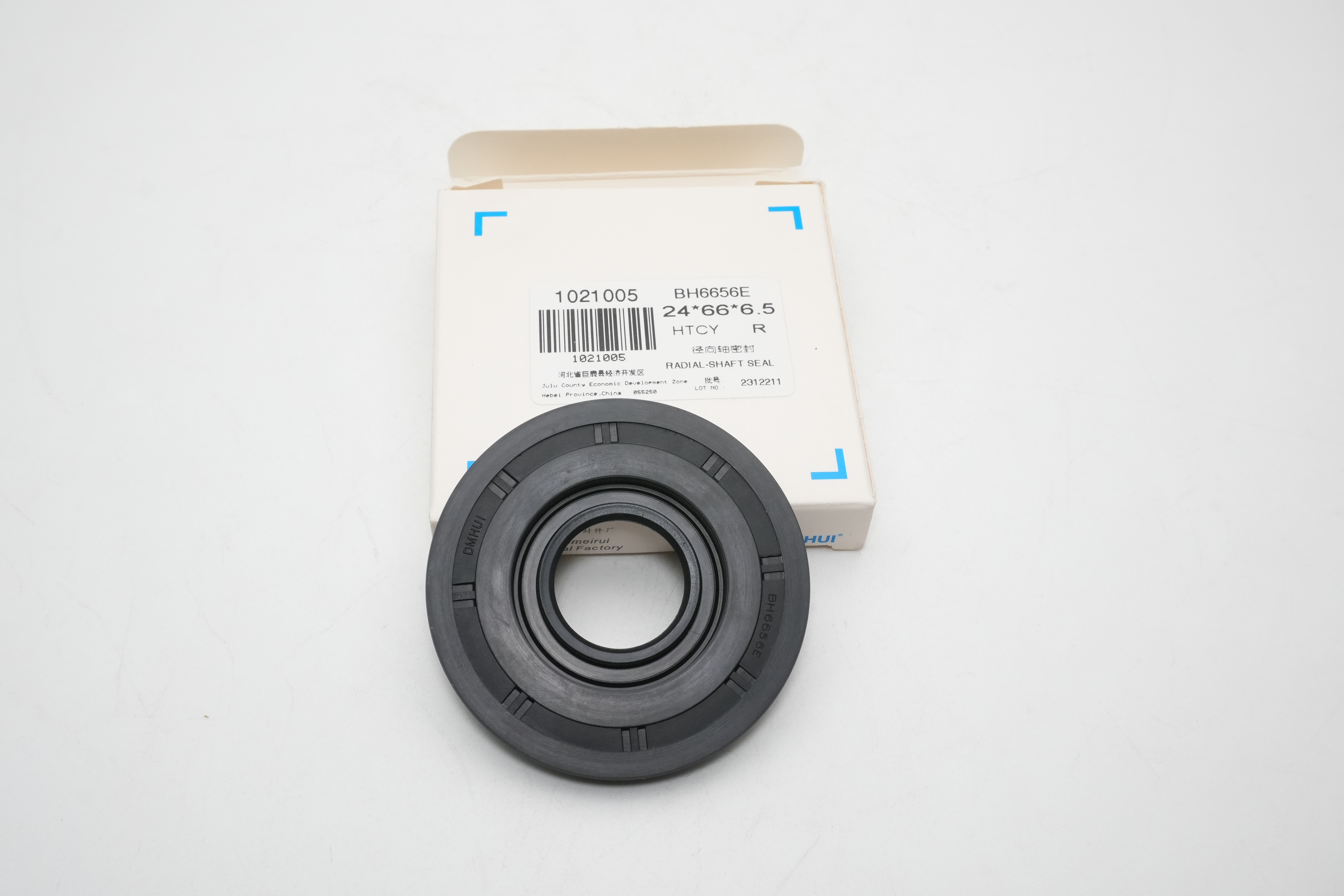
SEO Description
Pick the right radial shaft seal profile for parallel shaft gear reducers by matching geometry to contamination, shaft dynamics, lubricant, pressure, and service access. Compare single-lip, double-lip/excluder, and cassette/carrier designs, and learn the shaft/housing details—finish, hardness, chamfers, and fit—that make the chosen profile succeed in real industrial duty.
.png)