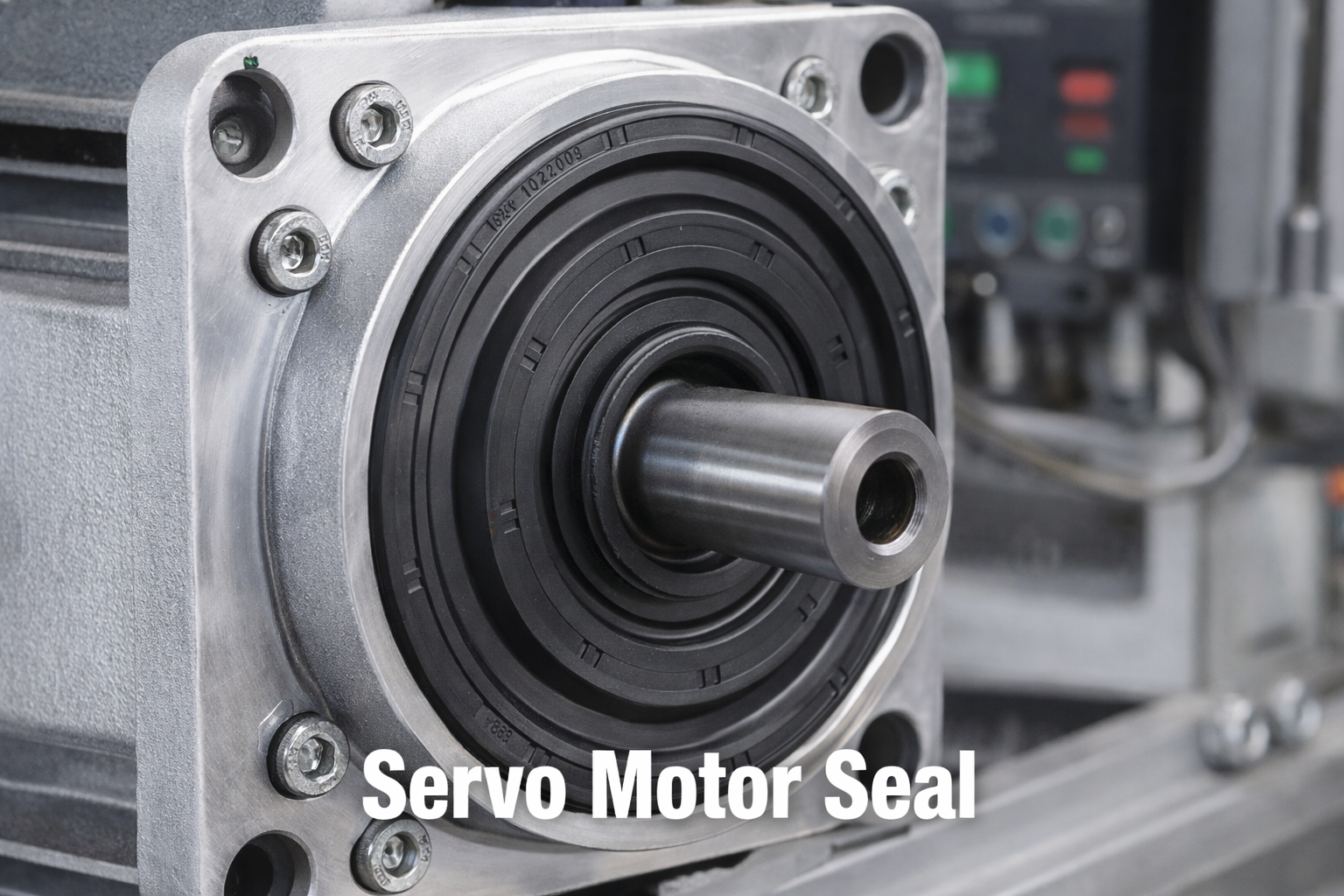
Proper Torque Specifications for Flange Seals in High-Temp Systems
Flange seals are critical components in high-temperature systems, used to prevent fluid leakage and ensure the efficiency of hydraulic circuits. However, improper tightening can lead to seal failure, leakage, and system inefficiencies. This article explores the importance of proper torque specifications for flange seals in high-temperature systems and provides guidelines for correct seal tightening.
The Importance of Correct Torque Specifications
Correct torque specifications are crucial for ensuring that flange seals are tightened to the optimal level. If the flange seal is too loose, it may not form a proper seal, resulting in fluid leakage. Conversely, over-tightening the seal can cause deformation, leading to seal damage and premature failure. Therefore, adhering to the proper torque specifications is essential for maintaining the integrity of the seal and ensuring reliable performance in high-temperature environments.
Consequences of Improper Torque
Improper torque can lead to several problems for flange seals in high-temperature systems:
Seal Leakage: Over-tightening or under-tightening the flange seal can result in an imperfect seal, leading to fluid leakage.
Seal Deformation: Excessive torque can cause the flange seal to deform, losing its sealing capability and leading to system inefficiencies.
Increased Wear: Incorrect torque can accelerate seal wear, leading to the need for more frequent replacements and costly downtime.
Guidelines for Proper Torque Specifications
To ensure proper torque and avoid seal issues, follow these guidelines:
Follow Manufacturer’s Recommendations: Always follow the torque specifications provided by the seal manufacturer for the specific seal and system type.
Use a Torque Wrench: Utilize a calibrated torque wrench to ensure the seal is tightened accurately to the recommended torque value.
Check for Even Tightening: Tighten the flange seal evenly around the entire circumference to prevent uneven pressure distribution and potential leakage.
Monitor Operating Temperature: Ensure the system is at its normal operating temperature when tightening the seal to avoid any thermal expansion issues.
Conclusion
Proper torque specifications for flange seals in high-temperature systems are essential for preventing seal failure, reducing leakage, and ensuring optimal system performance. By following the manufacturer’s recommendations, using the right tools, and ensuring even tightening, you can significantly extend the life of the seals and maintain hydraulic system efficiency.
SEO Keywords
torque specifications, flange seals, high-temp systems, seal tightening, hydraulic seals, seal performance, seal longevity, hydraulic system efficiency, fluid leakage, seal deformation, hydraulic system maintenance, machinery downtime, seal wear, torque wrench, seal inspection, seal maintenance, seal replacement, thermal expansion, sealing pressure, hydraulic fluid, lubrication.
.png)