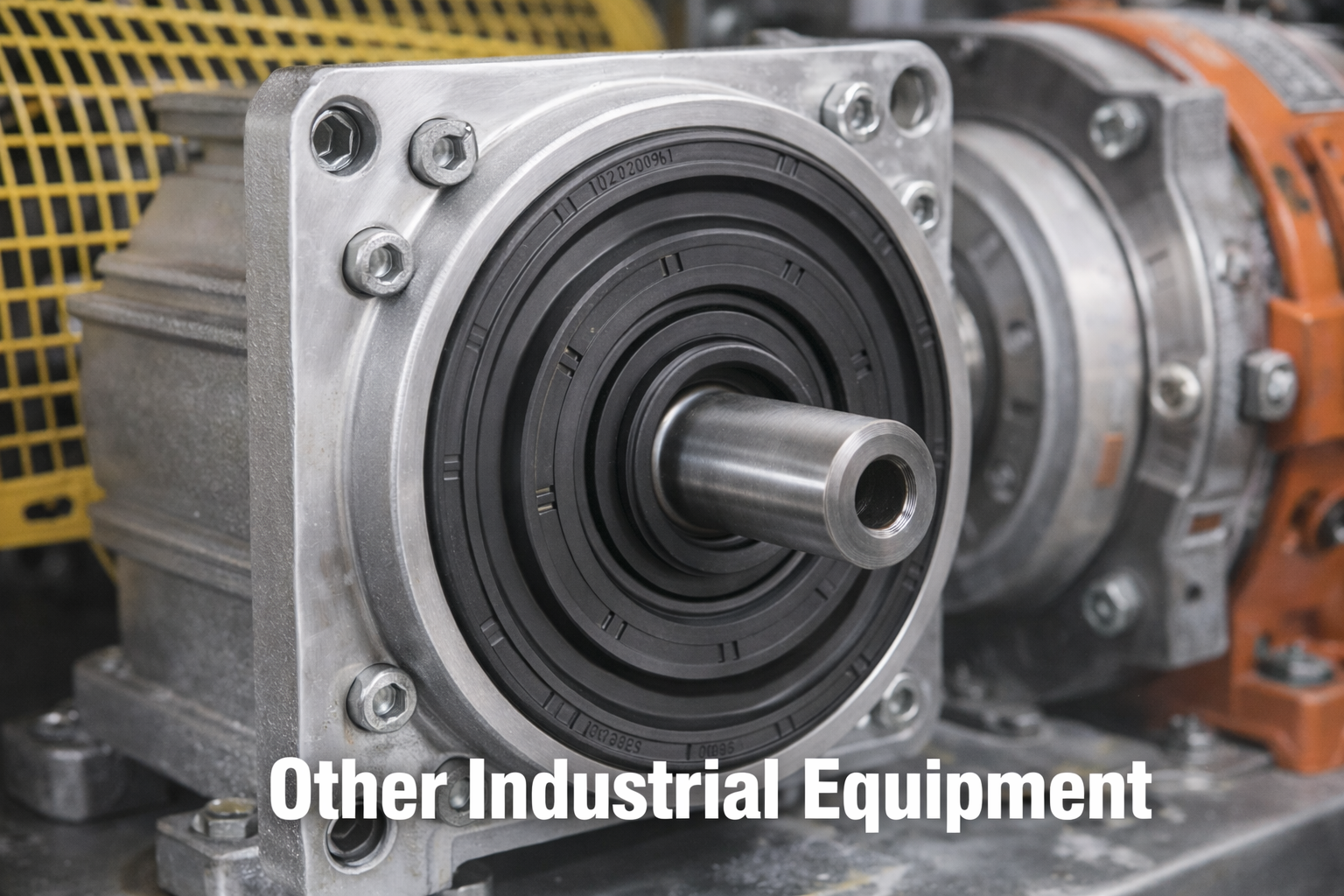
The Importance of Pre-Installation Inspection for Heat-Resistant Seals
Before installing heat-resistant seals in hydraulic systems, performing a thorough pre-installation inspection is critical for ensuring optimal seal performance and longevity. By inspecting seals prior to installation, you can identify potential issues that could affect their function in high-temperature environments. This article explores the importance of pre-installation inspection for heat-resistant seals and how it contributes to the overall efficiency of hydraulic systems.
The Role of Heat-Resistant Seals
Heat-resistant seals are specifically designed to withstand high temperatures and prevent leaks in hydraulic systems. These seals are used in industries such as manufacturing, automotive, and energy generation, where equipment operates under extreme conditions. To maintain their functionality and extend their service life, it is essential that they are inspected before installation to detect any defects or issues.
Why Pre-Installation Inspection is Important
Pre-installation inspection ensures that heat-resistant seals are in optimal condition before they are installed in hydraulic systems. Here are several reasons why this step is critical:
Identify Seal Defects: Inspections can uncover any defects or imperfections in the seals, such as cracks, tears, or distortions, that could lead to premature failure.
Ensure Compatibility: The seal must be compatible with the system’s material, temperature, and pressure conditions. Pre-installation checks help confirm that the seal will function effectively under these conditions.
Prevent System Contamination: A contaminated or damaged seal can lead to system contamination, affecting overall performance. Inspecting seals before installation helps prevent contamination from dirt, debris, or foreign particles.
Enhance Seal Longevity: By addressing potential issues during inspection, you can ensure that seals last longer and function more efficiently in high-temperature environments.
Steps for Pre-Installation Inspection
To properly inspect heat-resistant seals before installation, follow these steps:
Visual Inspection: Look for any visible defects such as cracks, tears, or deformities in the seal material.
Check Dimensions: Measure the seal to ensure it matches the required specifications for the system’s housing and shaft.
Verify Material Quality: Ensure that the seal is made of high-quality materials that are resistant to high temperatures and compatible with the system’s operating conditions.
Clean the Seal: Before installation, ensure the seal is free of any dirt, oils, or contaminants that may affect its performance.
Conclusion
Pre-installation inspection is an essential step for ensuring the proper function of heat-resistant seals in hydraulic systems. By identifying potential issues before installation, you can prevent premature seal failure, reduce downtime, and improve the overall efficiency of hydraulic systems. Always make sure to inspect seals thoroughly before installation to ensure optimal performance.
SEO Keywords
pre-installation inspection, heat-resistant seals, seal performance, hydraulic systems, seal inspection, seal longevity, seal defects, hydraulic fluid, system efficiency, seal wear, seal compatibility, seal maintenance, contamination prevention, seal dimensions, heat resistance, material quality, hydraulic system maintenance, downtime reduction, seal failure, seal replacement, machinery maintenance.
.png)